

Viral Gists
10 Worst Countries for Women, Challenges that Ensue


Worst Countries for Women Are you aware of the state of women’s rights in different parts of the world? Unfortunately, there are still some countries where women face severe oppression, discrimination, and violence. These places are considered the worst countries for women. This article aims to shed light on this critical issue and explore the harsh reality of women living in these countries.
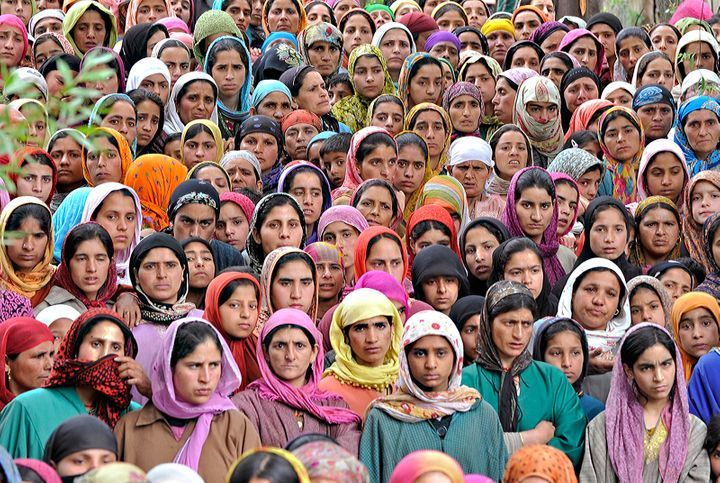
Table of Contents
Introduction
Worst countries for women – Women’s rights have come a long way over the years, with several countries promoting gender equality and ensuring women’s rights to education, healthcare, and work. However, there are still numerous places where women face severe challenges, making it difficult for them to exercise their basic human rights. The World Atlas report on the ten worst countries for women highlights the need for global action to eradicate gender-based violence and discrimination.
Below are the lists of the 10 Worst Countries for Women
1. Afghanistan
2. Syria
3. Yemen
4. Pakistan
5. Somalia
6. Sudan
7. Mali
8. Iraq
9. Central African Republic
10. Democratic Republic of Congo
Afghanistan: The Worst Place for Women

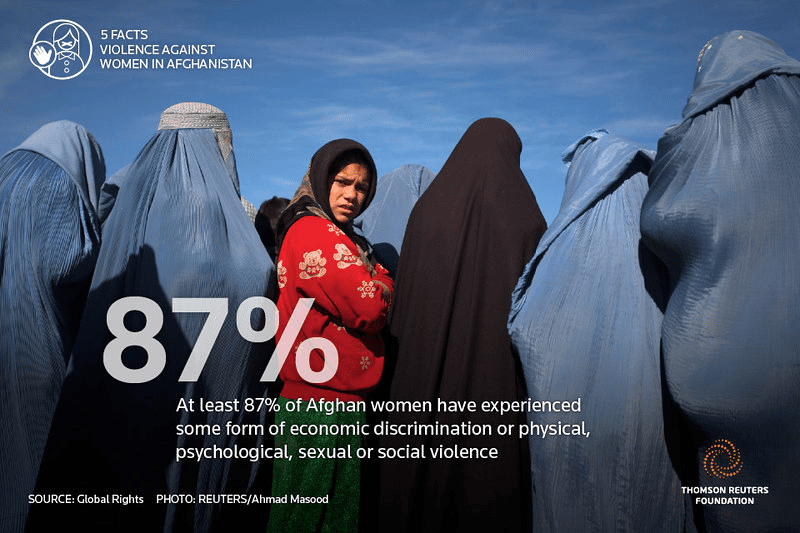
Afghanistan tops the list of the worst countries for women. The country’s long history of war and conflict has left women facing severe oppression, including domestic violence, forced marriages, and lack of education. The Taliban’s rule in the country has further worsened the situation, with women facing strict restrictions on dress codes, movement, and access to healthcare.
The brutal treatment of women in the Taliban, including restrictions on their movement and access to education, and subjecting them to public flogging or execution. Despite the international community’s efforts to promote gender equality and empower Afghan women, the situation remains dire, and the future looks bleak for them. Afghanistan has 0.340 and a rating of (170/170)
Syria: A Country in Chaos

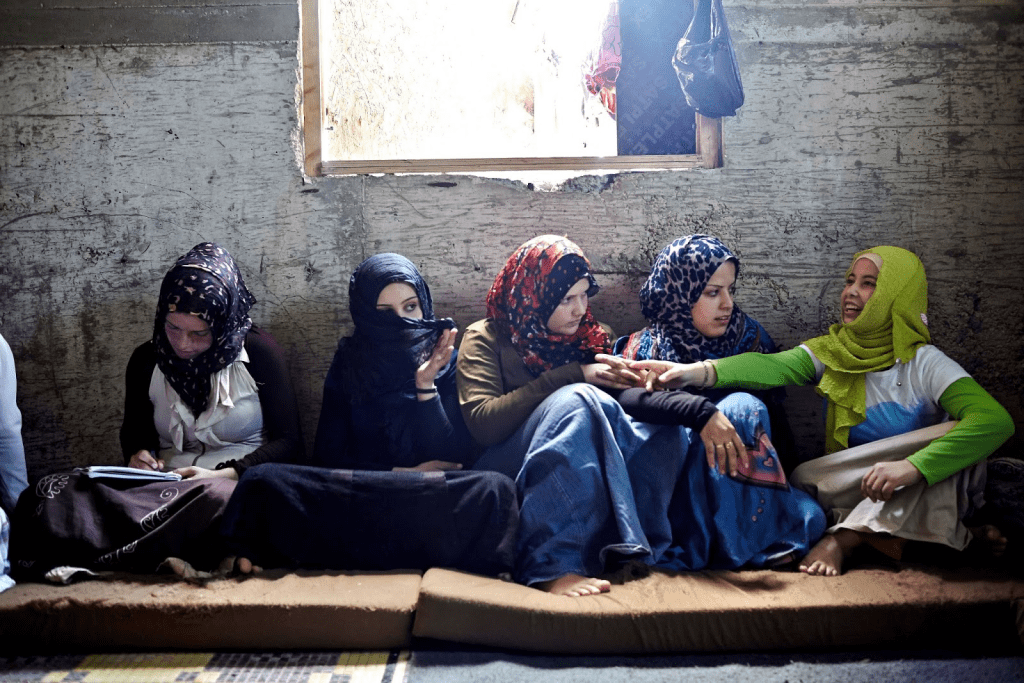

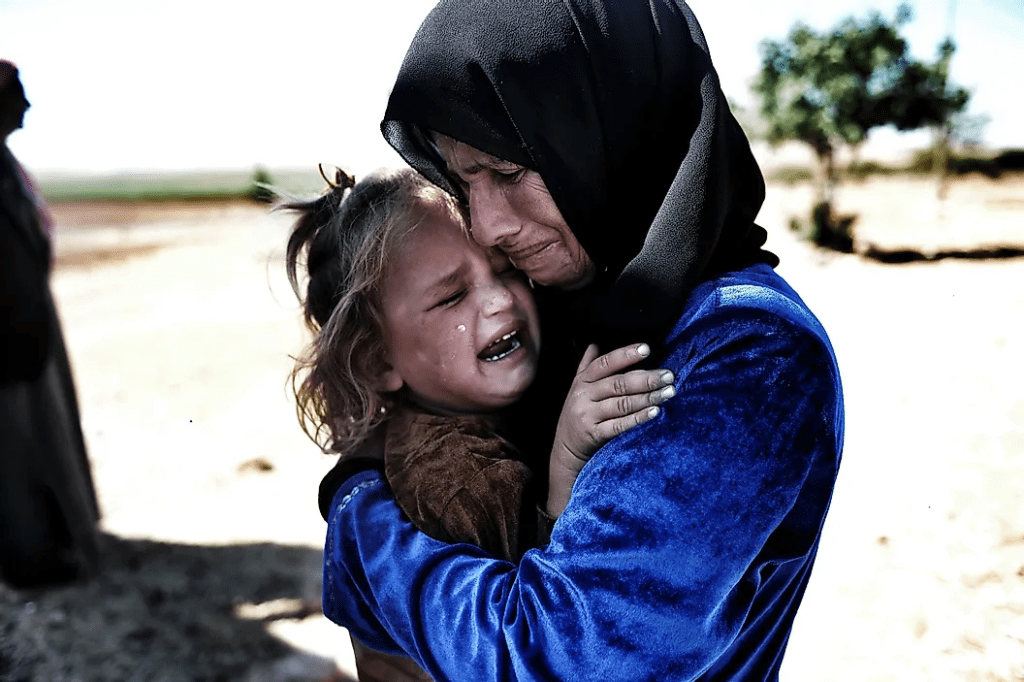
Syria is another country where women face severe challenges. The ongoing civil war has resulted in a severe humanitarian crisis, with women facing high levels of violence and sexual abuse. Women who have fled the conflict are often subjected to forced marriages, sexual exploitation, and trafficking.
Women’s access to education and healthcare has significantly decreased, and they are underrepresented in decision-making processes. The collapse of the Syrian economy has also led to increased poverty rates and worsening conditions for women and girls. Syria is among the worst countries for women with 0.430 and a rating of (168/170)
Yemen: A Bleak Situation for Women

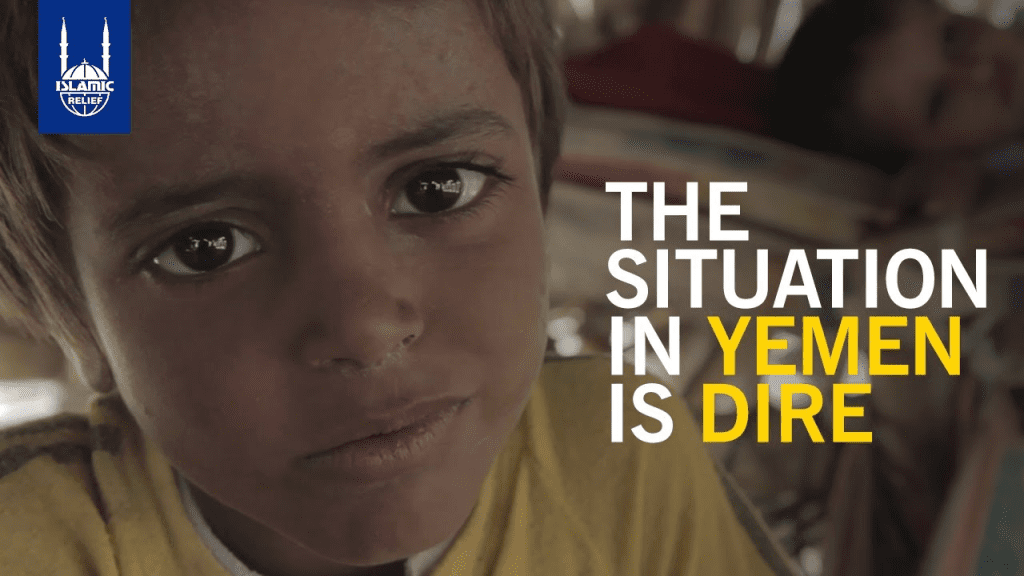
Yemen is another country where women face significant challenges. The ongoing conflict has left women vulnerable to sexual violence, forced marriages, and trafficking. The lack of access to healthcare and education has further worsened the situation for women in the country.
Yemen is the second-worst country for women due to its longstanding patriarchal society and ongoing conflict, which has further deepened gender disparities with 0.425 and a rating of (169/170).
READ ALSO- 6 BENEFITS OF EXERCISE FOR A HEALTHY LIFESTYLE
Pakistan: A Country of Deep-Seated Patriarchy

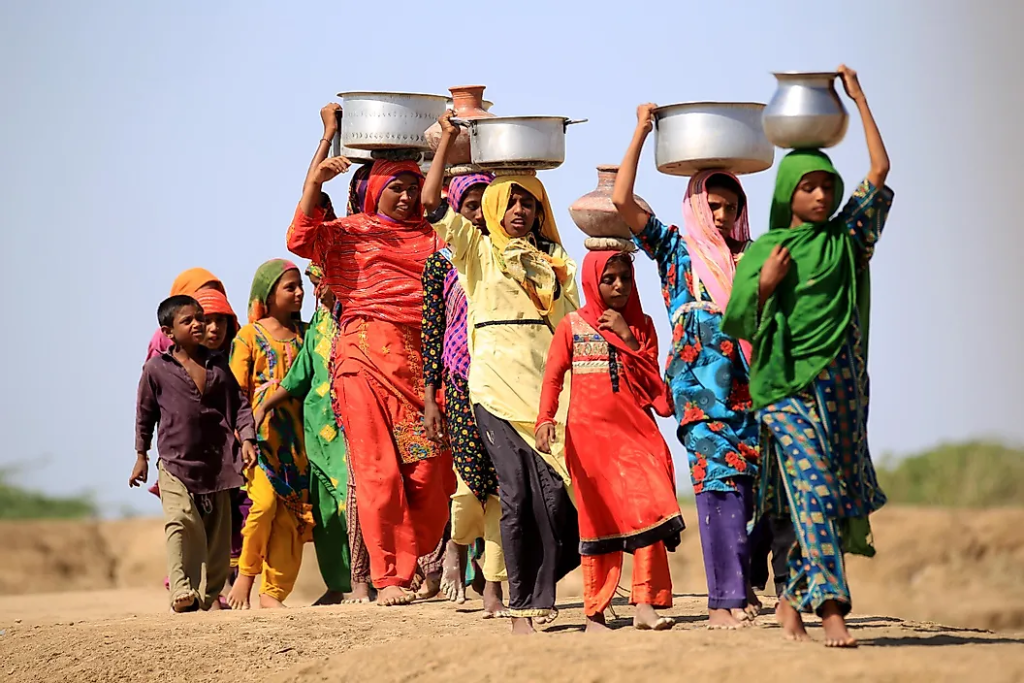
Pakistan is a country with deep-seated patriarchal attitudes, where women are often subjected to domestic violence, honour killings, and forced marriages. Women’s access to education and work is also limited, with most women living in poverty and facing severe discrimination.
Women’s rights activists have been targeted and harassed, and the government’s response to violence against women has been inadequate. Pakistan has 0.439 and a rating of (167/170) on the list of worst countries for women.
Somalia: A Country of Widespread Violence
Somalia is a country where women face high levels of violence and discrimination. The country’s ongoing conflict has resulted in severe humanitarian crises, with women often targeted for sexual abuse, forced marriages, and trafficking.
Sudan: A Country with High Rates of Female Genital Mutilation
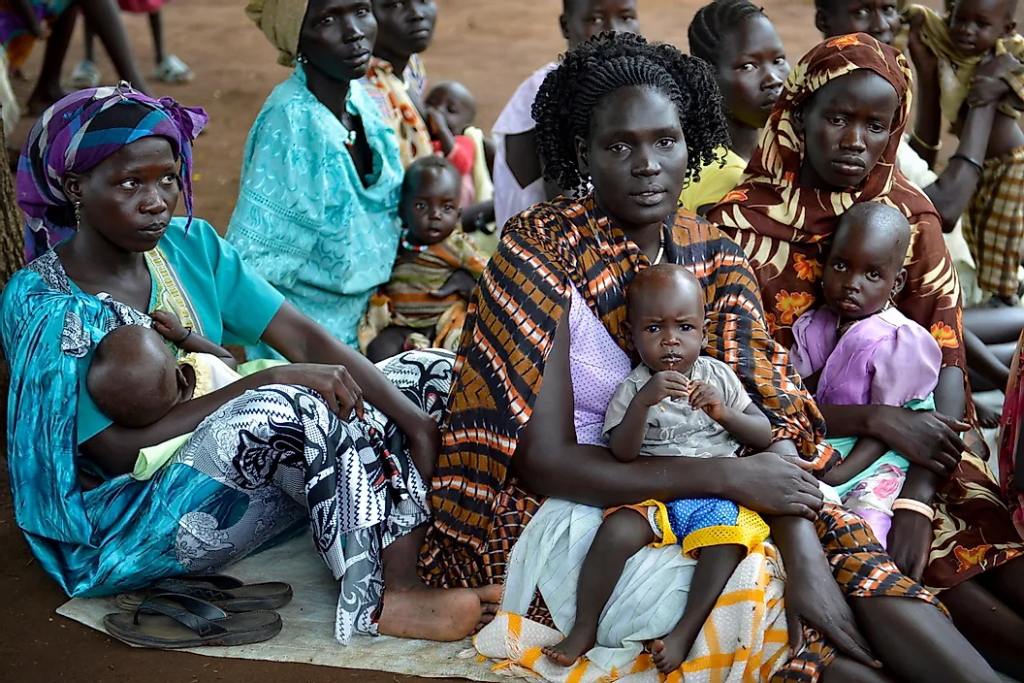
Sudan is a country where female genital mutilation (FGM) is still prevalent. Women who undergo FGM often suffer severe health consequences, including infections, infertility, and even death. Women in Sudan also face severe restrictions on dress codes, movement, and access to education.
Mali: A Country with High Rates of Child Marriage
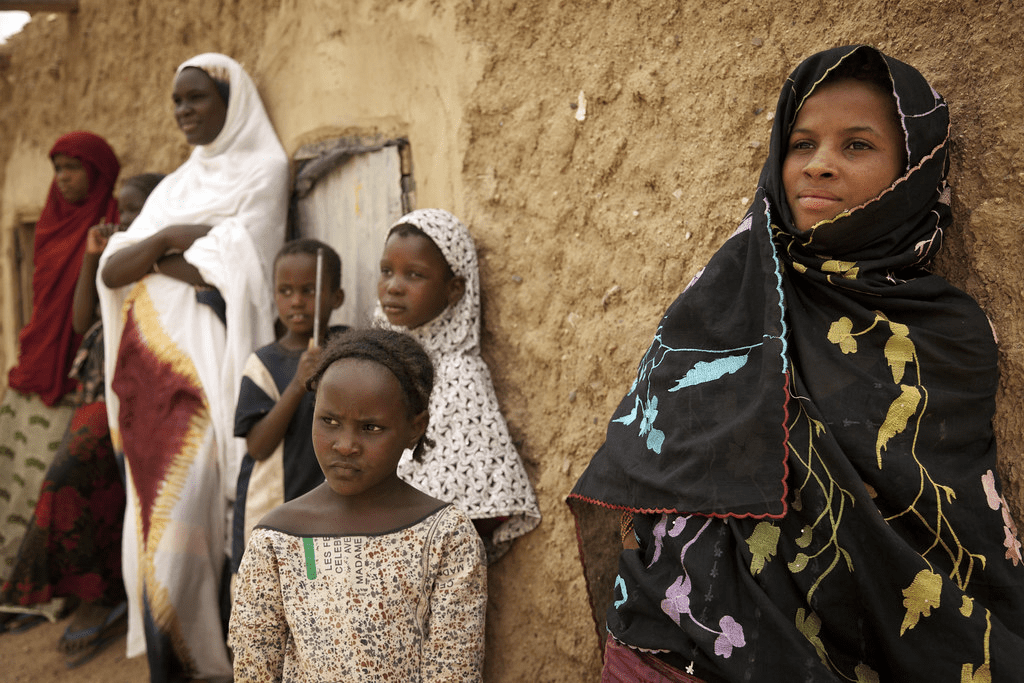
Mali is a country where child marriage is prevalent, with over half of girls married before the age of 18. Child brides often face severe health consequences, including complications during pregnancy and childbirth. Women in Mali also face severe restrictions on dress codes, movement, and access to education.
Iraq: A Country with High Rates of Domestic Violence
Iraq is a country where domestic violence is prevalent, with women often subjected to severe physical abuse. Women’s access to education and work is also limited, with most women living in poverty and facing severe discrimination.

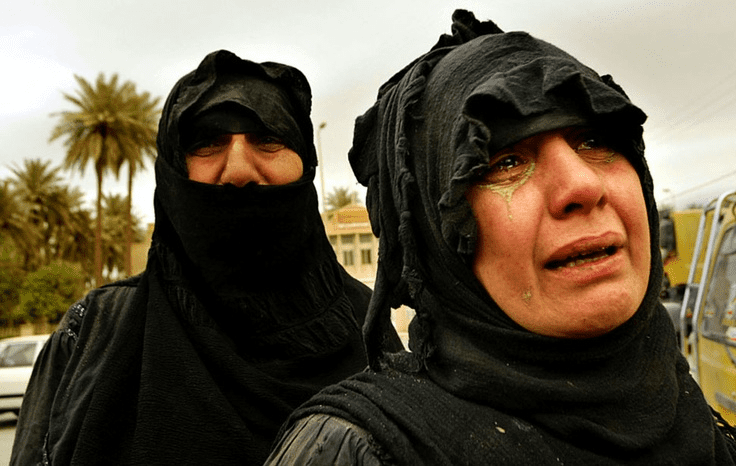
Central African Republic: A Country with High Rates of Sexual Violence
The Central African Republic is a country where women face high levels of sexual Democratic Republic of Congo: A Country with High Rates of Rape and Sexual Violence.
The Democratic Republic of Congo

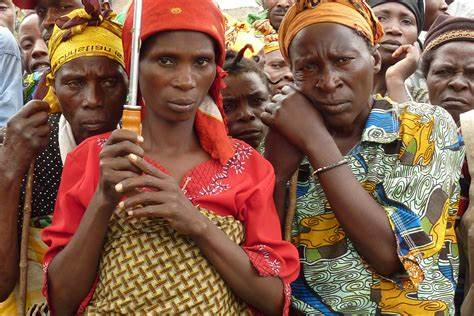
Another country on the list of worst countries for women is the Democratic Republic of Congo, where women face high levels of rape and sexual violence. The ongoing conflict in the country has left women vulnerable to abduction, forced marriages, and trafficking. Women who have experienced sexual violence often suffer severe physical and psychological trauma.
The Impact of These Challenges on Women
The challenges faced by women in these countries have severe impacts on their physical and mental health, their education and work opportunities, and their overall quality of life. Women in these countries often live in poverty, with limited access to healthcare, education, and job opportunities. The lack of political will and resources to address these challenges further exacerbates the situation.
Frequently Asked Questions (FAQs)
1. Why are these countries considered the worst for women?
These countries are considered the worst for women due to the high levels of violence, discrimination, and oppression faced by women. Women in these countries have limited access to healthcare, education, and work opportunities, making it difficult for them to exercise their basic human rights.
2. What can be done to improve the situation for women in these countries?
Improving the situation for women in these countries requires a concerted effort from the global community. This includes supporting local organizations working to promote women’s rights, providing access to education and healthcare, and addressing the root causes of gender-based violence and discrimination.
3. Are there any success stories in improving women’s rights in these countries?
While progress has been slow, there have been some success stories in improving women’s rights in these countries. For example, Afghanistan has seen an increase in women’s education and political participation in recent years. However, much more needs to be done to ensure gender equality and eliminate gender-based violence.
4. How can individuals help to support women’s rights in these countries?
Individuals can support women’s rights in these countries by supporting local organizations working to promote gender equality, raising awareness about the challenges faced by women in these countries, and advocating for policy changes that prioritize women’s rights.
5. What role can governments and international organizations play in addressing these challenges?
Governments and international organizations have a critical role to play in addressing the challenges faced by women in these countries. This includes providing resources to support women’s education and healthcare, promoting gender equality, and holding perpetrators of gender-based violence accountable.
6. Why is it essential to address these challenges and promote women’s rights globally?
Addressing these challenges and promoting women’s rights globally is essential to ensuring that all individuals, regardless of gender, can exercise their basic human rights. It is also critical for promoting economic and social development, reducing poverty, and creating more peaceful and stable societies.
My Final Words
The reality of women living in the worst countries for women is shocking and unacceptable. The challenges faced by women in these countries are a stark reminder of the work that needs to be done to ensure gender equality and eliminate gender-based violence and discrimination. It is time for the global community to take action and support women’s rights in these countries and beyond.
JOIN OUR TELEGRAM CHANNEL FOR MORE EXCLUSIVE ARTICLES AND UPDATES




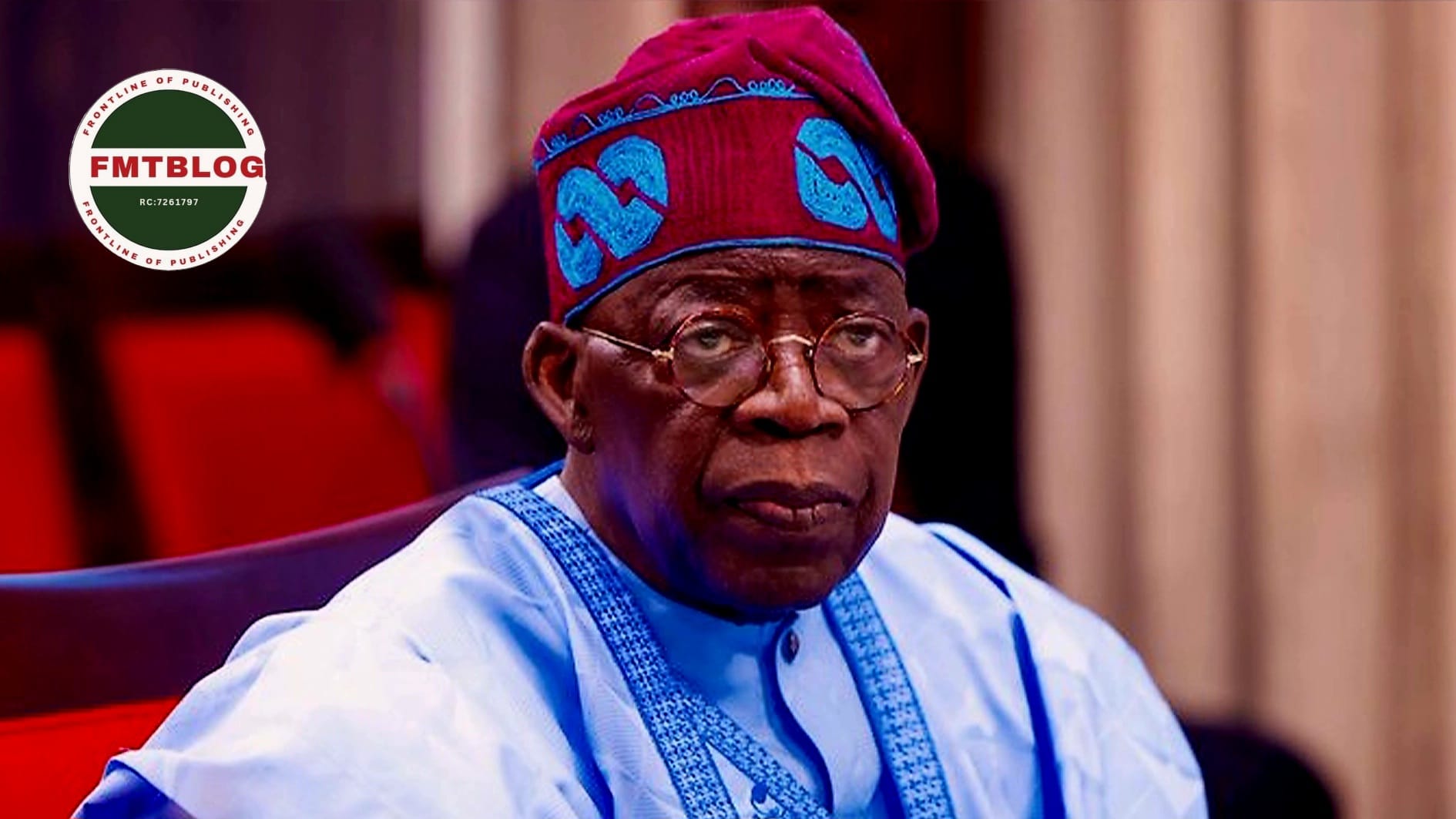
President Tinubu honoured 50 Nigerians on Democracy Day 2026, including Dasuki, Joe Igbokwe and Dele Alake. See the full list and what it means.

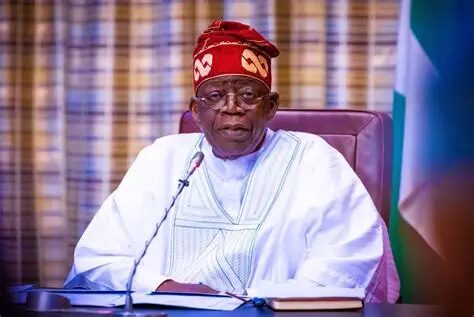
On 12 June 2026, President Bola Tinubu conferred national honours on 50 Nigerians described as key figures in the country’s pro-democracy struggle.
The announcement was made during the 2026 Democracy Day address, which commemorates the annulled 12 June 1993 presidential election. Honourees include journalists, civil rights activists, and military officers.
President Bola Tinubu conferred national honours on 50 prominent Nigerians on Friday, 12 June 2026. The honourees were recognised as central participants in the nation’s pro-democracy movement, a campaign that opposed military dictatorship throughout the 1990s.
The announcement formed part of the president’s nationwide 2026 Democracy Day address. Democracy Day marks the anniversary of the 12 June 1993 presidential election, a poll widely regarded as the freest in Nigerian history before its annulment by the military government of the period.
READ ALSO: Why I Refused To Align Any Political Party In Nigeria—Yakubu Gowon
This article outlines the context of the awards, identifies the categories of honourees, names notable recipients such as Sambo Dasuki, Joe Igbokwe, and Oladele Alake, and explains the next steps in the conferment process.
Why did Tinubu confer the national honours on 12 June 2026?
The conferment is tied directly to Democracy Day, an annual observance commemorating the 12 June 1993 presidential election. President Tinubu used the occasion to recognise individuals identified as central figures in Nigeria’s transition from military rule to civilian democracy.
In his address, the president stated that the honourees suffered persecution in the course of the pro-democracy struggle. He noted that many endured indignities, exile, incarceration, and, at times, solitary confinement so that Nigeria could enjoy democratic governance today.
The recognition therefore functions as both a historical acknowledgement and a formal state honour, linking the sacrifices of the 1990s to the present democratic order.
Who are the notable recipients of the national honours?
The honours list comprises several categories of recipients, including journalists, civil rights leaders, legal practitioners, and senior military officers. Among the most widely recognised names are the following:
- Oladele Alake, a long-standing public figure in Nigerian governance and media.
- Joe Igbokwe, a prominent political activist and commentator.
- Colonel Sambo Dasuki, a senior military officer included in the soldier-democrats category.
- Dr Joe Okei-Odumakin, a recognised civil rights campaigner.
- Dr Arthur Nwankwo (posthumous), honoured for his role in the democratic struggle.
- Ben Charles-Obi (posthumous), recognised among the journalists and activists.
The inclusion of posthumous awards reflects the state’s intention to acknowledge contributors who did not survive to witness the present democratic dispensation.
What categories of honourees were recognised?
The honours list is organised into two broad groupings. The first comprises journalists, lawyers, academics, and civil rights leaders. The second comprises military officers designated as “soldier-democrats”.
Journalists, lawyers, and civil rights leaders
This grouping recognises individuals who advanced the pro-democracy cause through media, advocacy, and legal channels. Named recipients include:
- Barrister Ayoka Lawani
- Tunde Fagbenle
- Oladele Alake
- Olatunji Bello
- Louis Odion
- Segun Babatope
- Sam Omatseye
- Sir Ademola Osinubi
- Bola Bolawole
- Lade Bonuola
- Femi Kusa
- Debo Adeniran
- Chief Ayo Opadokun
- Chief Ralph Obiora
- Ose Osayande
- Barrister Osa Director
- Professor Sylvester Odion-Akhaine
- Dr Arthur Nwankwo (posthumous)
- Dr Osagie Obayuwana
- Dr Joe Okei-Odumakin
- Barrister Titus Mann
- Joe Igbokwe
- Richard Akinnola
- Ben Charles-Obi (posthumous)
- George Mbah
- Dr Niran Malaolu
- Major-General Ishola Williams (retired)
- Femi Aborisade
- Jenkins Alumona
- Gbemiga Ogunleye
- Muyiwa Adekeye
- Babajide Kolade-Otitoju
- Ike Okonta
Soldier-democrats
This grouping recognises military officers associated with resistance to military dictatorship. Named recipients include:
- Major-General M. A. Garba
- Brigadier-General Lawal Jaafaru Isa
- Colonel Umar Farouk Ahmed
- Colonel Sambo Dasuki
- Colonel Lawan Gwadabe
- Brigadier Jonathan Ndam Temlong
- Colonel Musa Shehu
- Major-General Chris Eze
- Major-General Harris Dzarma
- Colonel Isa Jibrin
- Major-General Joseph Oshanupin
- Colonel Olusegun Oloruntoba, Olugbede of Gbede Kingdom
- Lieutenant-Colonel Happy Kefas Bulus
- Colonel J. Okai
- Colonel Emmanuel Ndubueze
- Lieutenant-Colonel Yakubu Muazu
- Brigadier Yahaya Abubakar, the current Etsu Nupe and existing holder of the CFR title
When will the awards be formally presented?
The president stated that the formal presentation and conferment of the awards will be carried out in the coming days. According to the address, the full honours list will be released within the next few days.
The announcement therefore represents the declaration stage of the process rather than the formal investiture, which is scheduled to follow.
What does this conferment signify for Nigeria?
The 2026 Democracy Day honours connect the historical pro-democracy struggle to contemporary national recognition. By including journalists, activists, lawyers, and military officers, the awards acknowledge a broad spectrum of contributors to Nigeria’s civilian transition.
The presence of posthumous awards further underlines the state’s intention to honour participants across generations, including those who did not live to see the present democratic order.
Frequently asked questions
How many Nigerians received national honours on Democracy Day 2026?
President Bola Tinubu conferred national honours on 50 Nigerians during the 2026 Democracy Day address on 12 June 2026.
Why is 12 June significant in Nigeria?
12 June marks the anniversary of the 1993 presidential election, which was annulled by the military government of the time. The date is now observed as Nigeria’s Democracy Day.
Who are the most notable recipients of the 2026 national honours?
Notable recipients include Oladele Alake, Joe Igbokwe, Colonel Sambo Dasuki, and Dr Joe Okei-Odumakin, alongside posthumous honourees such as Dr Arthur Nwankwo and Ben Charles-Obi.
Were any awards conferred posthumously?
Yes. Posthumous honours were conferred on Dr Arthur Nwankwo and Ben Charles-Obi in recognition of their contributions to the pro-democracy struggle.
When will the national honours be formally presented?
President Tinubu stated that the formal presentation and conferment will take place in the coming days, with the full honours list to be released shortly after the announcement.


A short-statured Ghanaian woman has sparked online debate after making contentious remarks regarding her romantic relationship preferences.

During a recent interview with De God Son TV, the diminutive lady expressed her aversion to dating guys of shorter height despite her diminutive Ghanaian woman. She remarked that short men do not match her “specifications” for relationships.

When questioned about her explanation, she stated that she sees shorter men as resembling infants, even though they are adults.
“I have a 7-year-old son, so dating a short man feels like dating my son,” she explained, finding parallels between her personal and romantic lives.
Watch the video below.


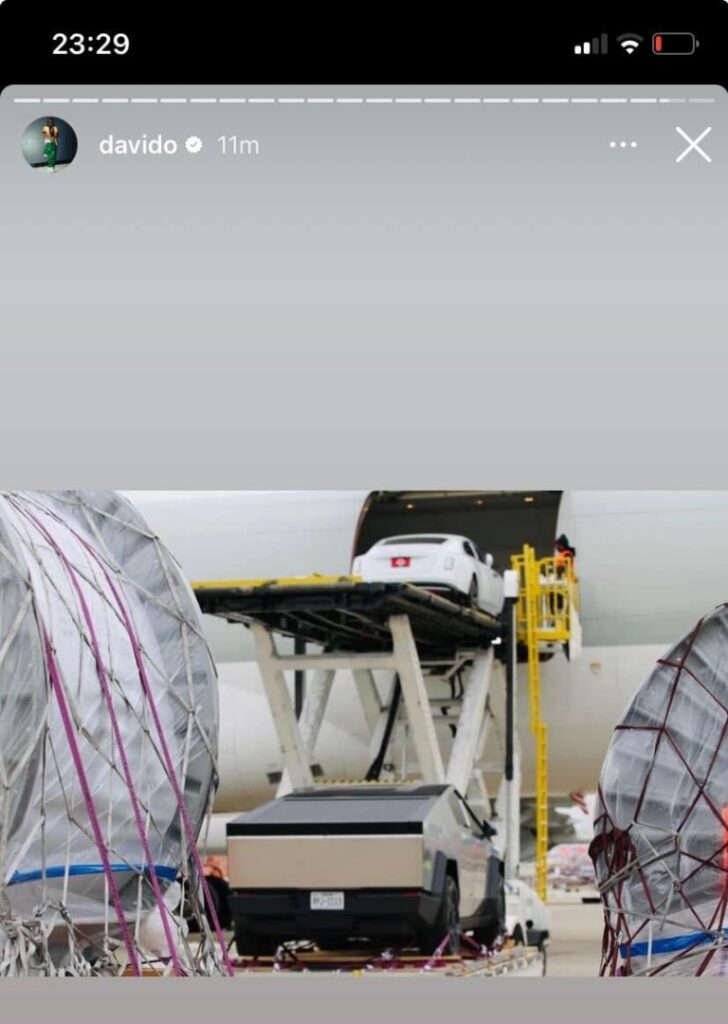
Once again, Nigerian singer Davido has made headlines for proving his status as a rich man with two luxury cars entering Nigeria: a Rolls-Royce and a Tesla Cybertruck.


The musician posted a picture of the trip on social media, his pure white Rolls Royce parked on the runway, ready for shipment.
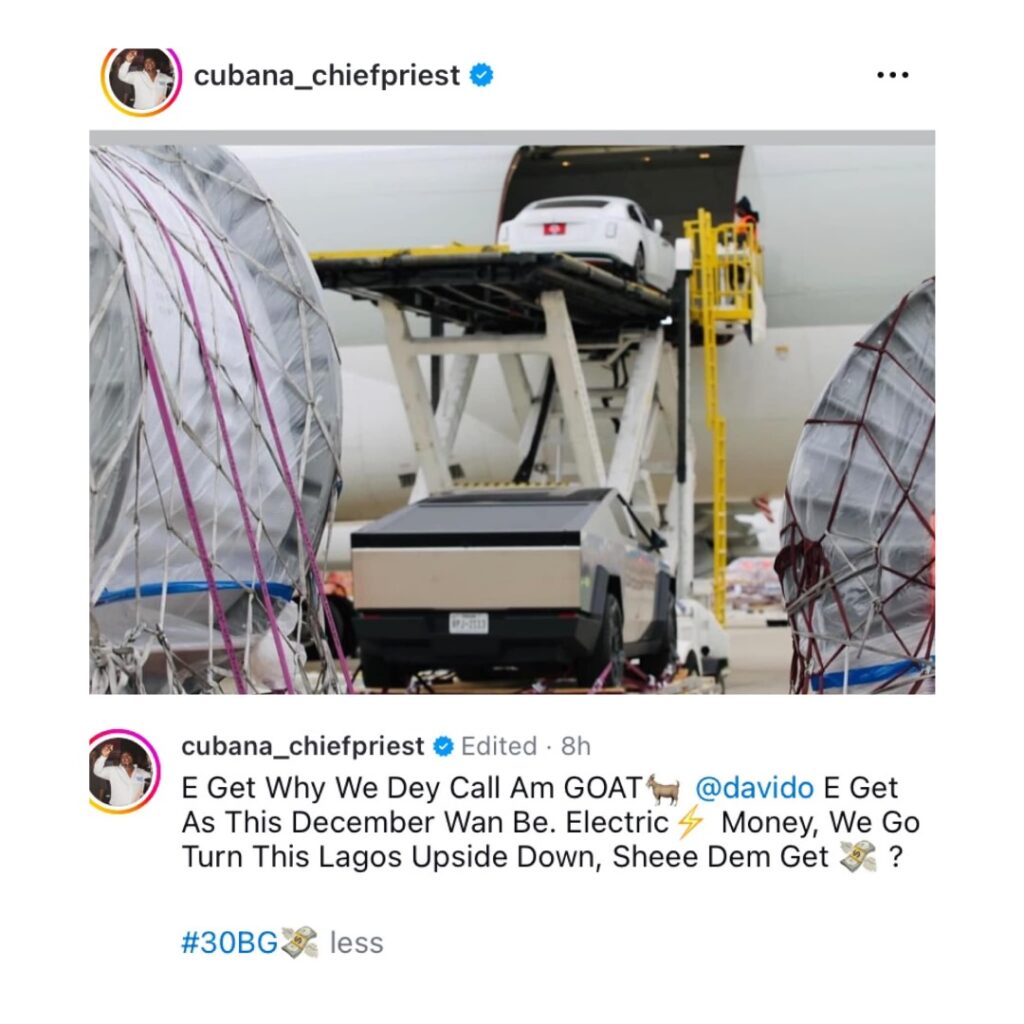
Another photo depicted the Tesla Cybertruck being loaded into an aircraft to verify the truck’s arrival in Nigeria.

Cubana Chief Priest, another close associate and entrepreneur, also saluted the new cars with an Instagram image. He congratulated Davido on his feats, dubbed him the “GOAT,” and hinted at a festive December with new vehicles added to the singer’s collection.
JOIN THE CONVERSATION→ Telegram | X/Twitter | Facebook | WhatsApp|WhatsApp Channel|Mobile App|Instagram



Download Blood Sisters Season 2 (Complete)

Download Michael (2026)

President Tinubu Confers National Honours on 50 Pro-Democracy Figures

Download Wura Season 4 (Episode 25 Added)

Download Behind the Scenes (2025) – Nollywood Movie

Nigeria: Reps Push FG to Reverse Ban on Togo, Benin Republic Degrees

Samsung Galaxy S26 Update Removes Perplexity’s ‘Hey Plex’ Voice Command

Galaxy Buds 4 Introduce AI‑Enhanced HD Voice to Transform Call Quality

Caviar Unveils 24K Gold Samsung Galaxy S26 Ultra For $11,490, Limited To Just 76 Buyers.

Orí: Rebirth (2025) – Nollywood-Yoruba-Movie


MC Oluomo Is No Longer A Valid NURTW Member; Tinubu Should Call Him To Order—Lekan Salami


Close President Putin’s Ally, Vladimir Egorov Plunges To Death From Third-Floor Window


”I Entrusted $9 Billion To Dauda Lawal, The Then FBN Executive Director. I Need To Seek Forgiveness From The Nigerian People And President Tinubu”-Diezani


”We Endorsed APC Muslim-Muslim Ticket In 2023, But Now We’re Suffering. What We Used To Buy N200 Now N2000”.- Supreme Council For Sharia Cries Out Over Hardship


”Sim Fubara Has Been Castrated, Now a Puppet Governor”-Nigerians Reacts Over Peace Deal With Predecessor, Nyesom Wike

Yahaya Bello Visited Our Office In A Convoy With The Sitting Governor- EFCC Revealed Why He Was Turned Back


Dele Momodu Pins Blame On President Tinubu Amidst the Protests


Reinstated Kano Emir Muhammadu Sanusi Gets Another Court Removal Verdict

Resurfaced 1995 Video Of Kamala Harris And Willie Brown Sparks Reactions


Our Economy Is Recovering Steadily And Gradually- President Tinubu Tells Traditional Rulers.
Watch This Blogger Home Is An Airy Inspiration
Hipster Yoga at the End of the World

Illinois’ financial crisis could bring the state to a halt
The final 6 ‘Game of Thrones’ episodes might feel like a full season
New Season 8 Walking Dead trailer flashes forward in time
Mod turns ‘Counter-Strike’ into a ‘Tekken’ clone with fighting chickens
Meet Superman’s grandfather in new trailer for Krypton
Disney’s live-action Aladdin finally finds its stars
Who are the early favorites to win the NFL rushing title?
The old and New Edition cast comes together to perform
-
News2 years ago
MC Oluomo Is No Longer A Valid NURTW Member; Tinubu Should Call Him To Order—Lekan Salami
-
Viral Gists2 years ago
Close President Putin’s Ally, Vladimir Egorov Plunges To Death From Third-Floor Window
-
Viral Gists2 years ago
”I Entrusted $9 Billion To Dauda Lawal, The Then FBN Executive Director. I Need To Seek Forgiveness From The Nigerian People And President Tinubu”-Diezani
-
Viral Gists2 years ago
”We Endorsed APC Muslim-Muslim Ticket In 2023, But Now We’re Suffering. What We Used To Buy N200 Now N2000”.- Supreme Council For Sharia Cries Out Over Hardship
-
Viral Gists2 years ago
”Sim Fubara Has Been Castrated, Now a Puppet Governor”-Nigerians Reacts Over Peace Deal With Predecessor, Nyesom Wike
-
Politics2 years ago
Yahaya Bello Visited Our Office In A Convoy With The Sitting Governor- EFCC Revealed Why He Was Turned Back
-
News2 years ago
Dele Momodu Pins Blame On President Tinubu Amidst the Protests
-
Viral Gists2 years ago
Reinstated Kano Emir Muhammadu Sanusi Gets Another Court Removal Verdict


