
Health
The Incredible Health Benefits of Bitter Leaf: Nature’s Powerful Cure


Discover the amazing health benefits of Bitter Leaf! Learn how this incredible plant can boost your health and improve your well-being.

Introduction
The bitter leaf, scientifically known as Vernonia amygdalina, is a long-used leafy green plant in traditional African and Asian medicine. This plant, common in many warm, humid environments worldwide, is easily identifiable by its big, glossy leaves and tiny white flowers. Although the name might not sound great, bitter leaf is really loaded with health benefits!
Table of Contents
Don’t let the name scare you; bitter leaf is loaded with good stuff for your body! It has many vitamins and minerals that are important for staying healthy. These vitamins include:
- Vitamin A: Crucial for healthy vision and immune function.
- Vitamin C: A powerful antioxidant that helps fight free radicals and boost immunity.
- Vitamin E: Protects cells from damage and supports healthy skin.
- Iron: Essential for carrying oxygen throughout the body and promoting energy production.
- Calcium: Important for strong bones and teeth.
- Potassium: Helps regulate blood pressure and muscle function.
Health Benefits of Bitter Leaf
1. Boosts the Immune System
One organic source of vitamin C and other antioxidants is bitter leaf. Vitamin C is a well-known vitamin that supports the immune system and your body’s defense against infections, including bacteria and viruses. Special molecules called antioxidants guard your cells from damage. Healthy body cells equip you to fight disease and infection more effectively. Thus, adding bitter leaves to your diet could provide your immune system with some more help to maintain your health!
2. Supports Blood Sugar Control
Blood sugar, sometimes known as glucose, is the total sugar in your bloodstream. Blood sugar fuels your body. People with diabetes struggle to control their blood sugar levels. In a few respects, bitter leaves can help with blood sugar management. It could first enable your body to better use insulin. A hormone called insulin lets your cells grab sugar from your circulation. Second, bitter leaves may help your liver produce less sugar for circulation. More research is needed to confirm these potential health benefits of the bitter leaf, but the results so far are promising. If you have diabetes or pre-diabetes, you should talk with your doctor before using bitter leaf or altering your diabetes control regimen.
ALSO READ: 5 Benefits of Ginger Water on an Empty Stomach
3. Reduces Inflammation
Bitter leaves contain compounds that can help lower inflammation in the body. Inflammation is a natural process that helps the body heal itself. But sometimes inflammation can become chronic, meaning it lasts for a long time. This can lead to health problems like arthritis and inflammatory bowel disease. Bitter leaf can help manage these conditions by reducing inflammation.
4. Detoxification
Traditionally, bitter leaf has been utilized to boost liver function and assist in body cleansing. The liver is an important organ that helps remove toxins, or poisons, from your body.
5. Potential Antibacterial Effects
Studies indicate that some bacteria can be fought off by bitter leaf extracts, thus benefiting your health. Consider bacteria as microscopic pathogens occasionally causing illness in humans. Some qualities of bitter leaf extracts can enable the prevention of the growth of these bacteria.
Traditional Uses and Preparations
Bitter leaf is a versatile plant with various culinary and medicinal uses in different cultures. Here are a few common ways people incorporate it into their lives:
- Tea: Bitter leaf leaves are often dried and brewed into a tea consumed for its medicinal properties.
- Soup Ingredient: The leaves can be chopped and added to soups for a unique flavor and potential health benefits.
- Juice: Some cultures prepare bitter leaf juice as a concentrated source of its nutrients.
- Poultice: Crushed leaves may be applied topically to wounds or skin conditions for their potential healing properties.
Important Note
For most healthy individuals, bitter leaf is usually harmless, but before you start drinking it, especially if you are pregnant, nursing, or on any medication, you should see your doctor. This way, you can be sure that bitter leaf health benefits are safe for you.
Follow us on socials → Telegram | X/Twitter | Facebook | WhatsApp |WhatsApp Channel |Mobile App
Conclusion
The bitter leaf serves as a compelling illustration of how a traditional herbal treatment can be supported by scientific evidence regarding its health advantages. If you are interested in enhancing your health and overall well-being via natural methods, it would be beneficial to learn more about the potential benefits of bitter leaf. It is important to note that you should start slowly when consuming this product because it has a potent flavor. Additionally, it is advisable to seek advice from your doctor before making it a regular part of your routine.


INTRODUCTION
Mental well-being is one of the aspects of our physical health. We all know that it’s important, yet we often neglect it amid our hustle and bustle so much that we are sometimes unaware of its importance.
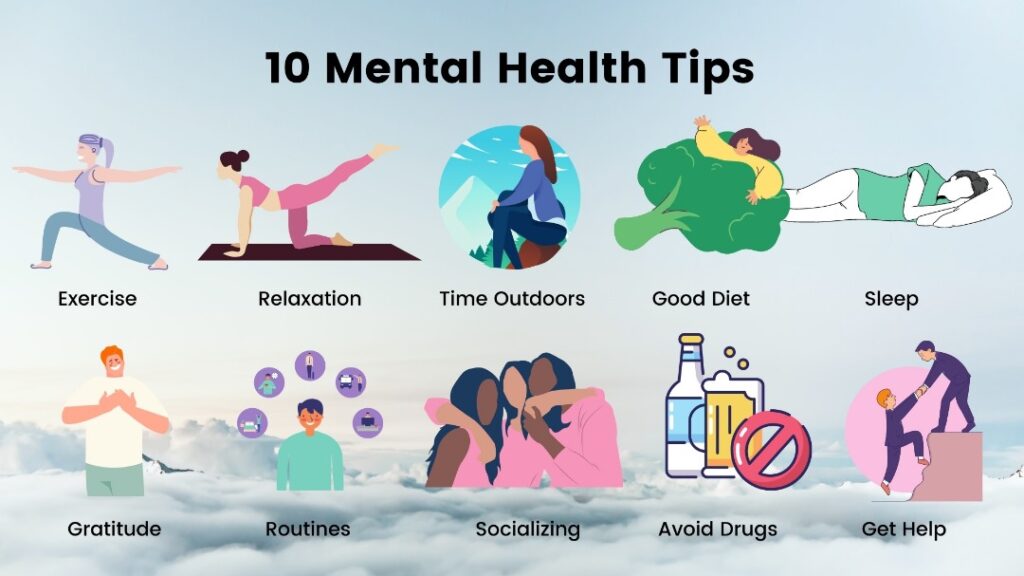
However, the good thing about this is that you don’t need to investigate in-depth and complex ways to improve your mental health, and it doesn’t have to take up a lot of your time.
Even the simplest actions or daily habits can have a significant impact on your mind. In this article, we will discuss some of the effective methods and tips that are also easy to apply and do not take up much of your time.
SIMPLE WAYS TO BOOST YOUR MENTAL WELL-BEING
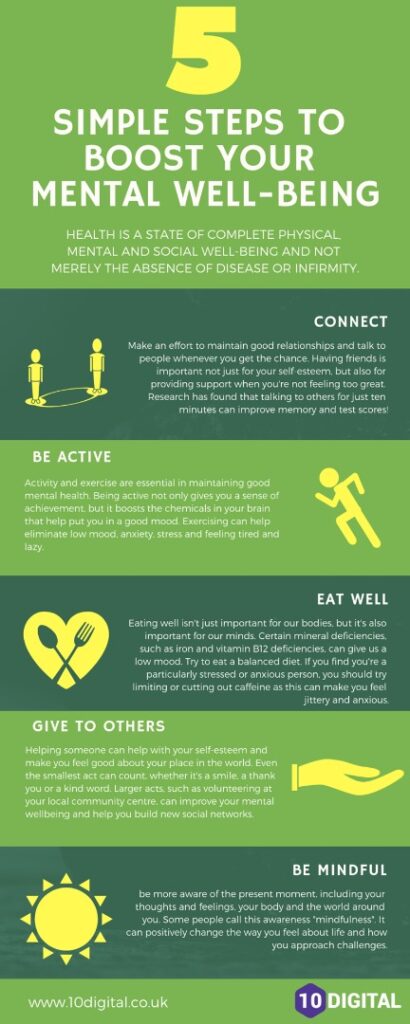
Pay attention to your mental health by making small changes. Ensure that you get enough sleep (poor sleep is a risk factor for both anxiety and depression), take up some physical activity, preferably daily (running is an effective method of increasing the flow of endorphins, which are natural mood boosters), or make sure you take a walk every day, drink enough water, and maintain a balanced diet.
THINGS YOU CAN DO TO IMPROVE YOUR MENTAL WELL-BEING
Create some sort of day structure to foster a sense of purpose and a regular rhythm in your day.
Engage in tasks you enjoy or that feel uplifting. Maintain contact with family and friends because social interactions are very important and can help you feel less alone.
Mindfulness practices such as meditation or deep breathing exercises can be helpful to release stress and increase your mental clarity.
PRACTICAL TIPS TO IMPROVE YOUR MENTAL WELL-BEING
Make time for your hobbies or something you just love. Keep a gratitude journal listing the things in your day-to-day life that are positive and can help you start heading in a healthy direction.
Cut out screen time more of the time and spend more time out in nature to reset the mind from daily stressors.
If you need a quick shot of mental energy, deep breathing is an excellent exercise. You can decrease your stress level in a few minutes by practising consistent breathing.
Stretching or exercise routines are quick ways to raise your mood and develop mental energy, and listening to good tunes immediately lifts your mood and gives you mental relief.
THE IMPACT OF HACKS ON MENTAL WELL-BEING
Life hacks are about small but immediate lifestyle changes that can have important long-term effects on mental health. The cumulative effect of these small changes—if followed through on—can help you to feel less swamped and anxious and, therefore, better equipped to handle the challenges of everyday life.
CONCLUSION
JOIN THE CONVERSATION→ Telegram | X/Twitter | Facebook | WhatsApp|WhatsApp Channel|Mobile App|Instagram
We don’t need drastic solutions to improve our mental health, but we can incorporate small, practical strategies and tips into our daily lives. Take small steps and be consistent, and over time, your mood and outlook will undeniably shift in a positive direction.
Health
Meet Turritopsis Dohrnii, “Immortal Jellyfish” That Can Reverse In Age, Likely To Live Forever, New Research


The human desire for immortality has long been a millennial human obsession. Humans have dabbled in all kinds of directions, from the mystic dimensions of religion to the science of cryogenics and even the fountain of youth.

Yet, it turns out, the trick to avoiding death may have been sitting in plain sight—or, more precisely, lying under the waves. Meet the Turritopsis dohrnii—the “immortal jellyfish”—who has an incredible capacity to undo its ageing and still not die.
The life cycle of the immortal jellyfish is similar to any other jellyfish, at least in normal circumstances.
It starts as a larva, grows into a polyp (an unspinning, nonmoving object resembling something like a miniature anemone), and then develops into the adult medusa.
However, given environmental stress or injury, this jellyfish returns to a previous phase of its life cycle, turning its adult cells back into polyp (young) cells. Courtesy of the Natural History Museum.
This morphology is referred to as “transdifferentiation” and gives the jellyfish the opportunity to restart its life cycle. By doing so, the jellyfish’s specialised cells convert into more generalised, unspecialised cells that can turn themselves back into new cell types and rebuild the body to its youthful, polyp-like state.
After a jellyfish has become a polyp, its life cycle is essentially restarted. This way, it can develop into a fully grown medusa once again and not die of old age.
Ideally, this back-and-forth and re-growth can occur at any time so that the jellyfish can “evade” natural ageing.
The animal was first described by scientists in 1883, but it would take 100 years for scientists to stumble across its perpetual life cycle while preserving it in captivity.
The jellyfish, first found in the Mediterranean and now found in oceans across the world, is tiny, typically only 4-5 millimeters across, about the size of a pinky nail.
Although immortal in principle, Turritopsis dohrnii is far from unbreakable.
In the wild, it is under pressure, as are all marine animals, from predation, disease, and natural threats. Although it can biologically “start over” forever, many people die before they are able to exploit this gift to extend their lifespan dramatically.
But it’s a phenomenon that’s kept scientists intrigued and eager to discover how it keeps going. Researchers are looking to see if we could learn more about the jellyfish’s molecular dynamics in order to improve anti-ageing, cancer, and regenerative medicine.
For instance, the ability to safely “reprogram” human cells could lead to therapies for healing damaged tissue or even slowing down ageing.
Watch the video below, courtesy of National History Museum

Understanding the Importance of Prostate Health

Men’s health is often overlooked until an issue arises, but awareness and prevention are key to long-term wellness. One area that demands attention is prostate health, especially for men in their early 30s. Prostate cancer is more common as men age, but understanding how to care for your prostate early on can significantly reduce your risk.
Table of Contents
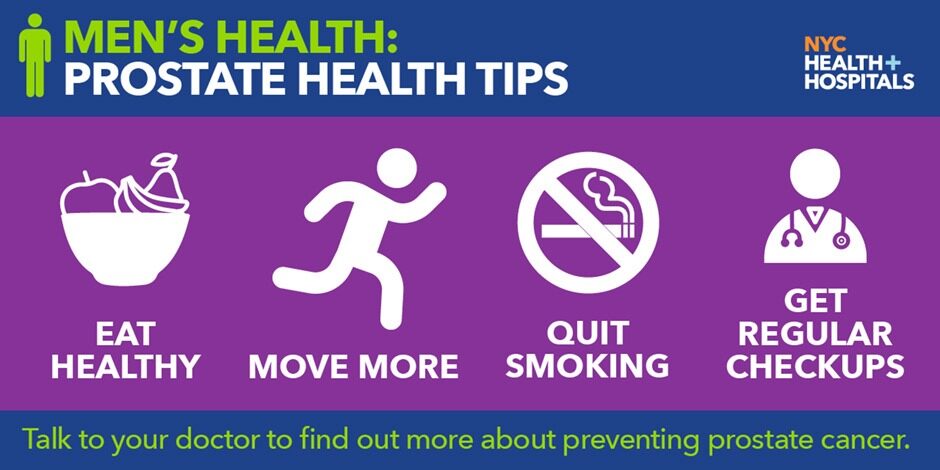
This guide will explore practical steps and lifestyle changes to help you maintain a healthy prostate and minimise cancer risks.
What is Prostate Cancer?
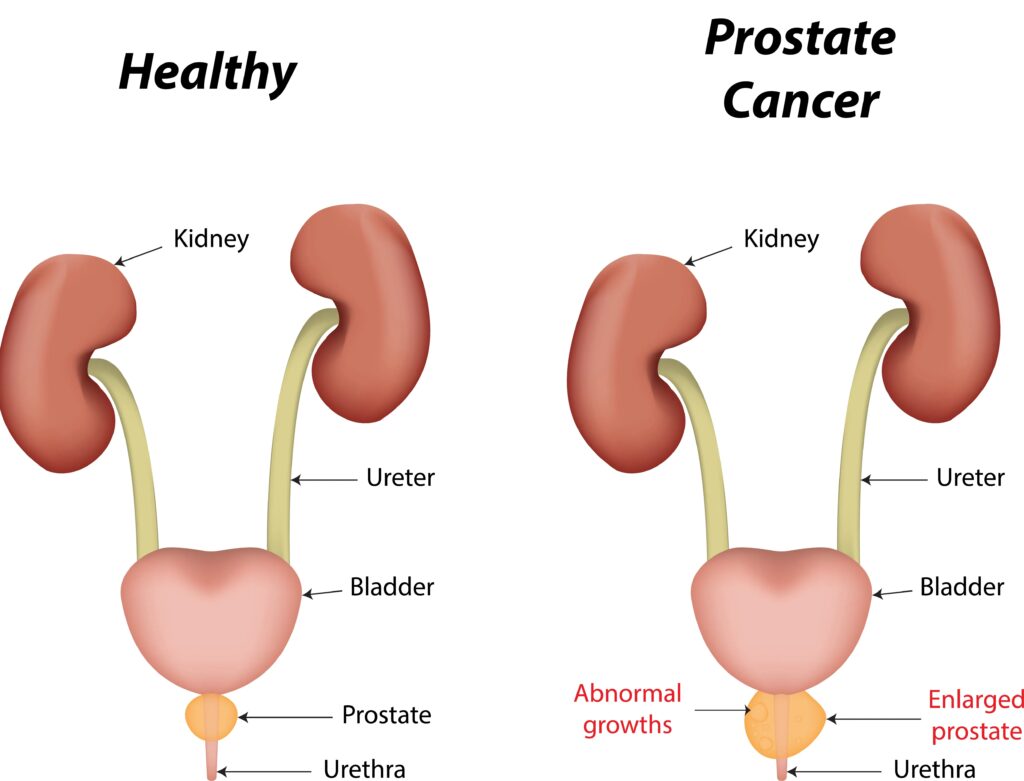
Prostate cancer begins when cells in the prostate gland grow uncontrollably. While it is one of the most common cancers among men, it is also one of the most treatable, especially when detected early. Regular screenings and awareness can lead to early detection, which significantly improves treatment outcomes.
READ ALSO: Discover How A Daily Nap Can Offer Amazing Health Benefits
Why Focus on Prevention in Your 30s?
Although prostate cancer is rare in your 30s, establishing healthy habits now can have long-lasting benefits. Early prevention strategies can reduce your risk factors and increase your chances of avoiding prostate-related issues later in life. By focusing on prevention in your early 30s, you can lay a strong foundation for continued health.
The Role of Diet in Prostate Health
A balanced diet plays a crucial role in maintaining a healthy prostate. Incorporating foods rich in antioxidants, such as fruits and vegetables, can help reduce inflammation and lower cancer risk. Tomatoes, in particular, contain lycopene, a powerful antioxidant linked to prostate health. Regularly including leafy greens, berries, and nuts in your diet can also provide essential nutrients that support overall wellness.
The Impact of Weight Management
Maintaining a healthy weight is important for reducing the risk of prostate cancer. Obesity has been linked to increased cancer risk and more aggressive forms of the disease. Engaging in regular physical activity and adopting healthy eating habits can help you stay within a healthy weight range and support your prostate health.
Exercise and Prostate Health
Regular exercise is a vital component of maintaining overall health and wellness. Physical activity helps regulate hormones, improve immune function, and reduce inflammation—all factors that contribute to a healthier prostate. Aim for at least 150 minutes of moderate aerobic exercise each week, such as brisk walking or cycling, and incorporate strength training exercises to build muscle and improve metabolism.
The Benefits of Regular Screenings
Early detection is crucial in managing prostate cancer effectively. Regular screenings, such as prostate-specific antigen (PSA) tests, can help identify potential issues before they become severe. Talk to your healthcare provider about when to start screenings based on your age, family history, and overall health.
JOIN THE CONVERSATION→ Telegram | X/Twitter | Facebook | WhatsApp|WhatsApp Channel|Mobile App|Instagram
Understanding Risk Factors
Several factors can increase your risk of developing prostate cancer, including age, family history, race, and lifestyle. Men with a family history of prostate cancer are at higher risk and may benefit from earlier and more frequent screenings. Being aware of these risk factors can help you make informed decisions about your health and prevention strategies.
The Importance of Stress Management
Chronic stress can negatively impact your overall health, including your prostate. High stress levels can lead to hormonal imbalances and inflammation, increasing cancer risk. Incorporating stress-reducing practices such as mindfulness, meditation, or yoga into your routine can help improve your mental well-being and support a healthy prostate.
The Role of Hydration
Staying well-hydrated is essential for maintaining optimal bodily functions, including prostate health. Drinking enough water helps flush out toxins and supports the proper function of the urinary system. Aim for at least eight glasses of water daily, and adjust your intake based on activity level and climate.
Avoiding Harmful Habits
Certain lifestyle habits can increase the risk of prostate cancer. Smoking, excessive alcohol consumption, and a sedentary lifestyle are known risk factors. Quitting smoking, moderating alcohol intake, and staying active can significantly reduce your chances of developing prostate-related issues.
The Power of Community Support
Joining a community or support group can provide valuable encouragement and resources as you work to improve your prostate health. Connecting with others facing similar challenges can help you stay motivated, share tips, and learn from each other’s experiences. Many organisations and online communities offer support for men’s health and prostate cancer awareness.
Conclusion
Taking proactive steps to maintain prostate health in your early 30s can have a significant impact on your long-term well-being. By focusing on prevention through diet, exercise, regular screenings, and stress management, you can reduce your risk of prostate cancer and other related issues. Remember, the choices you make today will shape your future health, so start implementing these strategies and consult with your healthcare provider to tailor a plan that works best for you.
JOIN THE CONVERSATION→ Telegram | X/Twitter | Facebook | WhatsApp|WhatsApp Channel|Mobile App|Instagram
For those eager to learn more about maintaining prostate health, consider exploring additional resources or speaking with medical professionals specialising in men’s health. Your future self will thank you for the foresight and commitment you demonstrate today.
For more information, read here

Download Blood Sisters Season 2 (Complete)

Download Michael (2026)

President Tinubu Confers National Honours on 50 Pro-Democracy Figures

Download Wura Season 4 (Episode 25 Added)

Download Behind the Scenes (2025) – Nollywood Movie

Nigeria: Reps Push FG to Reverse Ban on Togo, Benin Republic Degrees

Samsung Galaxy S26 Update Removes Perplexity’s ‘Hey Plex’ Voice Command

Galaxy Buds 4 Introduce AI‑Enhanced HD Voice to Transform Call Quality

Caviar Unveils 24K Gold Samsung Galaxy S26 Ultra For $11,490, Limited To Just 76 Buyers.

Orí: Rebirth (2025) – Nollywood-Yoruba-Movie

MC Oluomo Is No Longer A Valid NURTW Member; Tinubu Should Call Him To Order—Lekan Salami

Close President Putin’s Ally, Vladimir Egorov Plunges To Death From Third-Floor Window

”I Entrusted $9 Billion To Dauda Lawal, The Then FBN Executive Director. I Need To Seek Forgiveness From The Nigerian People And President Tinubu”-Diezani

”We Endorsed APC Muslim-Muslim Ticket In 2023, But Now We’re Suffering. What We Used To Buy N200 Now N2000”.- Supreme Council For Sharia Cries Out Over Hardship

”Sim Fubara Has Been Castrated, Now a Puppet Governor”-Nigerians Reacts Over Peace Deal With Predecessor, Nyesom Wike

Yahaya Bello Visited Our Office In A Convoy With The Sitting Governor- EFCC Revealed Why He Was Turned Back

Dele Momodu Pins Blame On President Tinubu Amidst the Protests

Reinstated Kano Emir Muhammadu Sanusi Gets Another Court Removal Verdict

Resurfaced 1995 Video Of Kamala Harris And Willie Brown Sparks Reactions

Our Economy Is Recovering Steadily And Gradually- President Tinubu Tells Traditional Rulers.
Watch This Blogger Home Is An Airy Inspiration
Hipster Yoga at the End of the World

Illinois’ financial crisis could bring the state to a halt
The final 6 ‘Game of Thrones’ episodes might feel like a full season
New Season 8 Walking Dead trailer flashes forward in time
Mod turns ‘Counter-Strike’ into a ‘Tekken’ clone with fighting chickens
Meet Superman’s grandfather in new trailer for Krypton
Disney’s live-action Aladdin finally finds its stars
Who are the early favorites to win the NFL rushing title?
The old and New Edition cast comes together to perform
-
News2 years ago
MC Oluomo Is No Longer A Valid NURTW Member; Tinubu Should Call Him To Order—Lekan Salami
-
Viral Gists2 years ago
Close President Putin’s Ally, Vladimir Egorov Plunges To Death From Third-Floor Window
-
Viral Gists2 years ago
”I Entrusted $9 Billion To Dauda Lawal, The Then FBN Executive Director. I Need To Seek Forgiveness From The Nigerian People And President Tinubu”-Diezani
-
Viral Gists2 years ago
”We Endorsed APC Muslim-Muslim Ticket In 2023, But Now We’re Suffering. What We Used To Buy N200 Now N2000”.- Supreme Council For Sharia Cries Out Over Hardship
-
Viral Gists2 years ago
”Sim Fubara Has Been Castrated, Now a Puppet Governor”-Nigerians Reacts Over Peace Deal With Predecessor, Nyesom Wike
-
Politics2 years ago
Yahaya Bello Visited Our Office In A Convoy With The Sitting Governor- EFCC Revealed Why He Was Turned Back
-
News2 years ago
Dele Momodu Pins Blame On President Tinubu Amidst the Protests
-
Viral Gists2 years ago
Reinstated Kano Emir Muhammadu Sanusi Gets Another Court Removal Verdict