
HOWTOS
Meta Reacts to Twitter’s Daily Limit Restriction, New App, Threads to Launch July 6

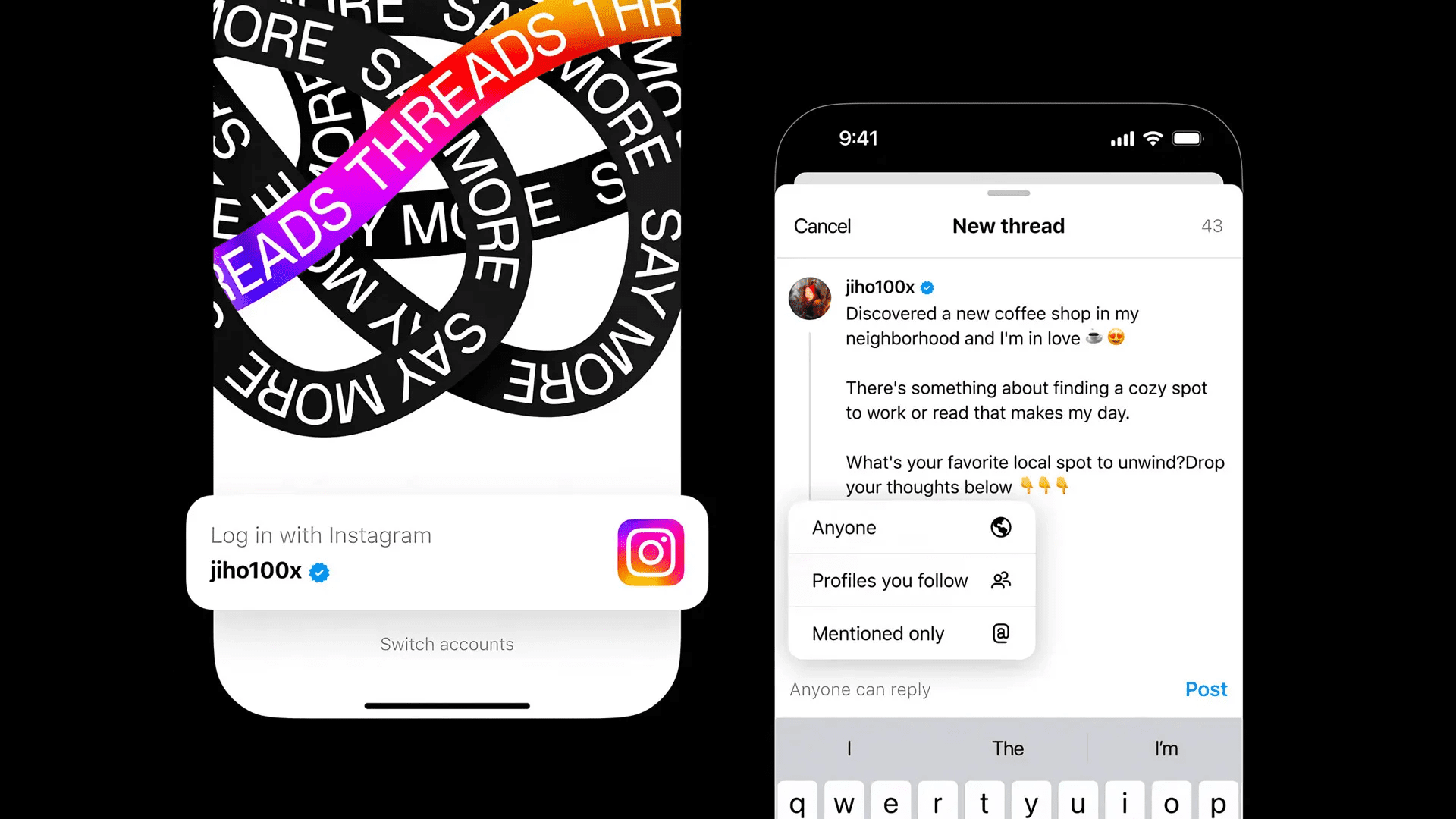
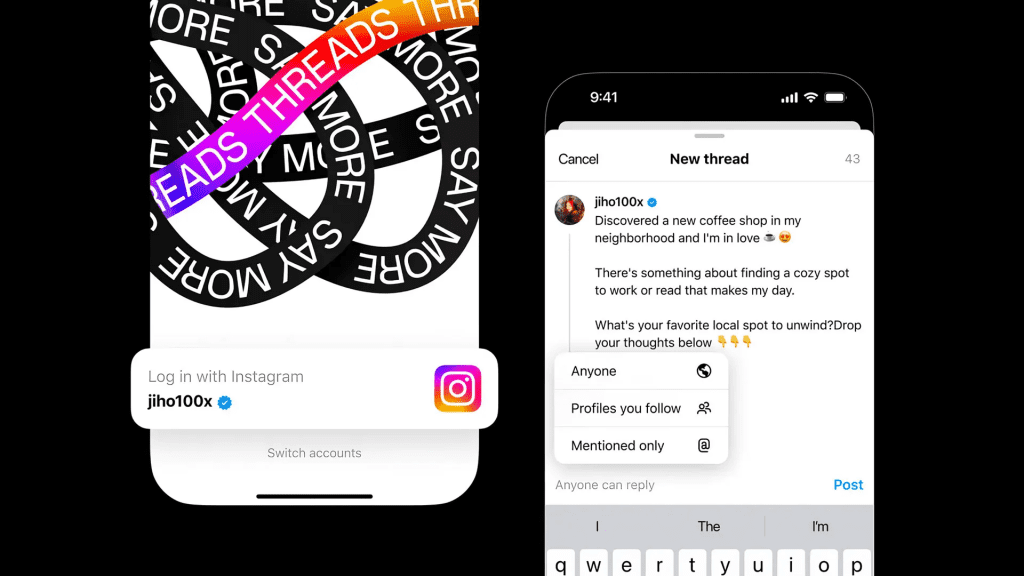
Meta, the parent company of Facebook, is set to make waves in the social media world with its latest app, Threads. Launching on Thursday, July 6, Threads aims to revolutionize online discussions and engagement. This announcement comes after Elon Musk’s recent announcement regarding temporary restrictions on Twitter users’ daily views. Threads, an app connected to Instagram, appeared in the Apple app store on Tuesday, July 4, generating much anticipation for its upcoming release. Meta has even created a countdown website to prepare for the launch, building excitement among eager users.
Threads: Where Communities Unite and Conversations Flourish
Threads promise to be a virtual space where communities gather to discuss various topics, ranging from the latest trends to matters of personal interest. With Threads, users can follow their favourite creators, connect with like-minded individuals, and establish a loyal following. Its platform fosters sharing ideas, opinions, and creativity with a global audience.
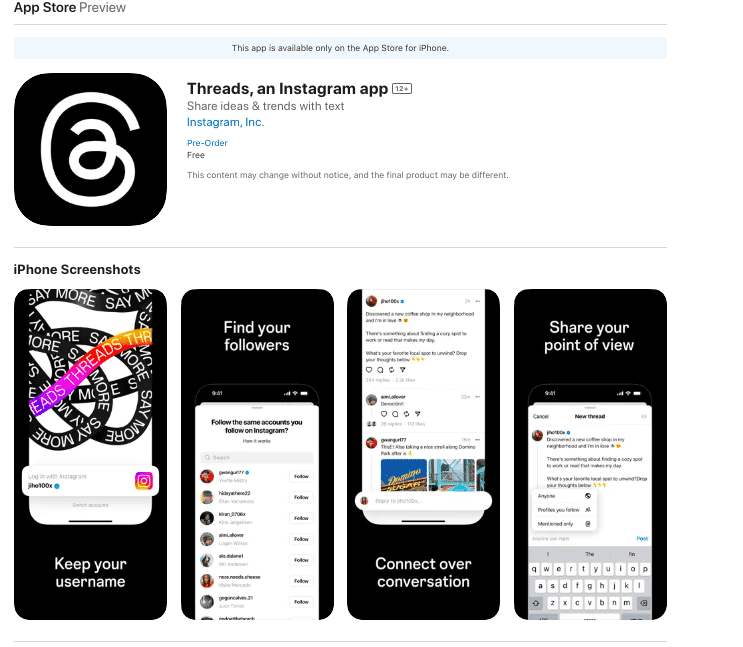
Seamlessly Connect with Existing Contacts
The screenshots shared on social media show that signing up for the new app will be effortless. Users only need their Instagram handle to log in and instantly connect with their existing contacts. This streamlined approach ensures a smooth user transition and simplifies the onboarding process. Threads resemble Twitter’s functionality, featuring features like reposting, liking, and controlling who can reply to posts.
A Free Service with Unrestricted Access
According to Meta’s promotional material, this new app will be a free service without limiting the number of posts users can view. This freedom and accessibility starkly contrast with the growing dissatisfaction with Twitter’s current policies, prompting users to seek alternatives. Meta possesses the resources and capability to compete with Twitter effectively. Moreover, as Threads will be integrated into the Instagram platform, it will gain access to an extensive user base of over three billion people across Facebook, Instagram, and other Meta-owned apps.
Leveraging Existing Platforms: Mastodon’s ActivityPub
Meta plans to integrate Instagram Threads with the decentralized social media protocol used by Mastodon, or ActivityPub, to offer a well-regulated platform. This move showcases Meta’s commitment to addressing the concerns of creators and public figures who desire a more stable and trustworthy platform. By leveraging the infrastructure of ActivityPub, Threads aims to provide users with an environment conducive to meaningful interactions.
Privacy Concerns and Meta’s Track Record
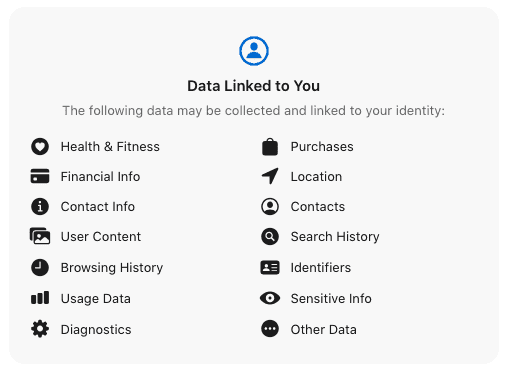
Despite Meta’s ambitious plans for Threads, user privacy concerns have been raised. Meta’s history of replicating successful features from other platforms, such as Reels (inspired by TikTok) and Stories (resembling Snapchat), has left users wary. There are apprehensions that Threads might gather excessive data from user’s devices, including location data, purchase history, and browsing habits. These concerns highlight the need for Meta to prioritize user privacy and instil confidence in its user base.
Twitter’s Turmoil and Meta’s Opportunity
Recent developments at Twitter have created a window of opportunity for Meta to gain a competitive edge. Meta’s executives have been closely observing the chaos within Twitter and contemplating ways to capitalize on it. The New York Times reported that Meta employees wanted to challenge Twitter’s dominance, stating, “Twitter is in crisis, and Meta needs its mojo back.” The development of Threads, code-named “Project 92,” has been underway since early January, representing Meta’s proactive approach to enter.
“Twitter is in crisis and Meta needs its mojo back,” one Meta employee wrote in an internal post last year, according to a report in December by The New York Times. “LET’S GO FOR THEIR BREAD AND BUTTER.”
Twitter’s Response: Addressing Data Scraping and User Experience
Twitter grapples with challenges related to data scraping and the overall user experience. Elon Musk recently voiced concerns about companies utilizing vast amounts of Twitter data for AI-related purposes. Twitter has been forced to deploy additional servers to meet the demand, incurring significant costs. Additionally, Twitter has implemented restrictions on unregistered users, preventing them from viewing tweets. The platform is also introducing substantial changes to TweetDeck, which is expected to become a paid feature. These developments indicate Twitter’s ongoing efforts to refine its services and encourage users to subscribe to Twitter Blue, a premium offering allowing users to access up to 10,000 daily tweets.
Choose Your Path: Stay with Twitter or Join Team Threads
Given the evolving landscape of social media, users now face a crucial decision: to remain loyal to Twitter or embrace the emerging possibilities offered by Threads. Meta’s comprehensive approach and integration with established platforms like Instagram make Threads an enticing alternative. Its focus on community, unrestricted access, and seamless connectivity provides a compelling case for users to consider joining Team Threads. As the battle for social media dominance intensifies, users must evaluate their priorities and choose the platform that best aligns with their needs and values.





Galaxy Buds 4 Series: How AI-Powered HD Voice Changes Call Quality
The Galaxy Buds 4 Series uses AI-powered HD Voice to make calls clearer and noise-free. Here’s how the technology works and how to turn it on.
Phone calls have a clarity problem. Background noise bleeds in, voices cut out, and the person on the other end spends half the conversation asking you to repeat yourself.
Samsung’s Galaxy Buds 4 Series tackles this head-on with HD Voice, an AI-driven feature that promises to make every call sound like you’re in the same room.
Unveiled at Samsung’s Galaxy Unpacked event, the Galaxy Buds 4 Series brings a suite of improvements to wireless audio. But it’s the HD Voice technology that stands out most clearly, and for good reason.
If you’ve ever struggled to hold a conversation on a windy street or in a busy café, the engineering behind this feature is worth understanding.
What Is HD Voice on the Galaxy Buds 4?
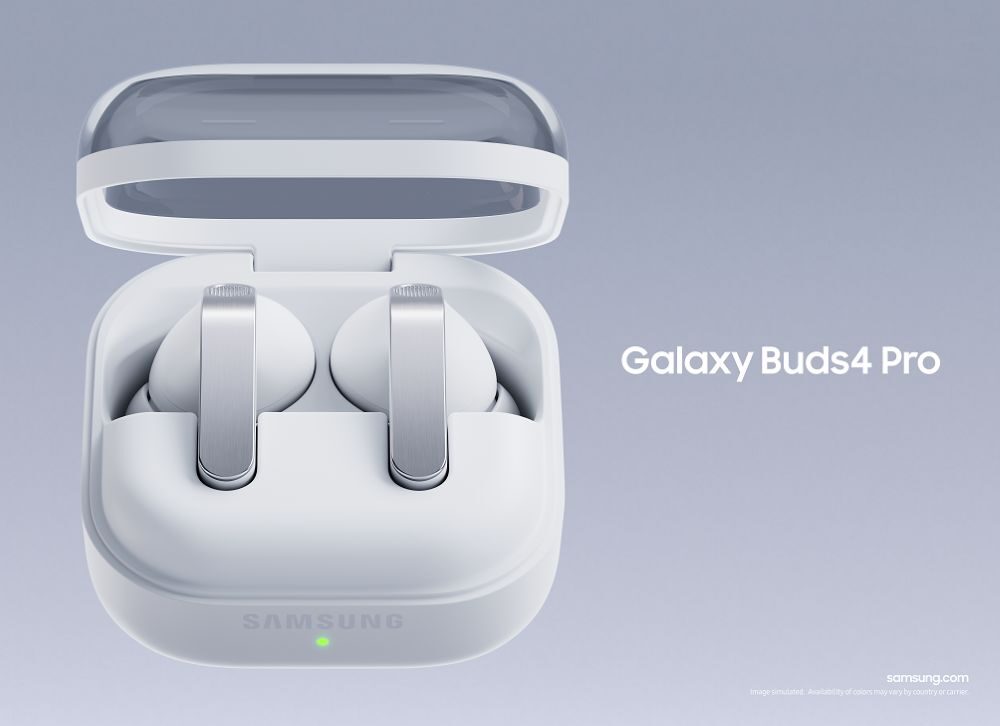
HD Voice is Samsung’s answer to call clarity. At its core, the feature combines multiple hardware components with AI processing to isolate your voice and deliver it to the person you’re speaking with cleanly and accurately.
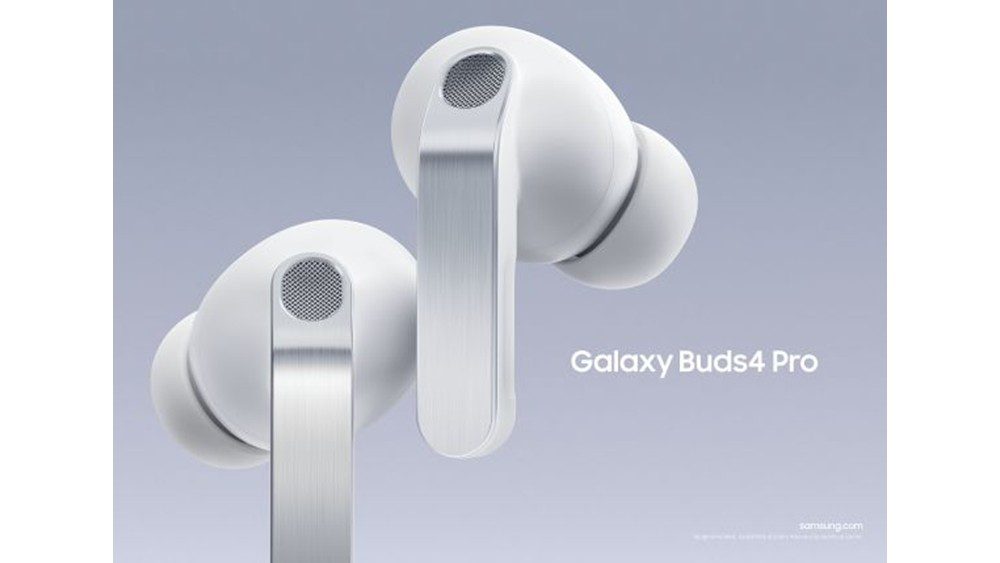
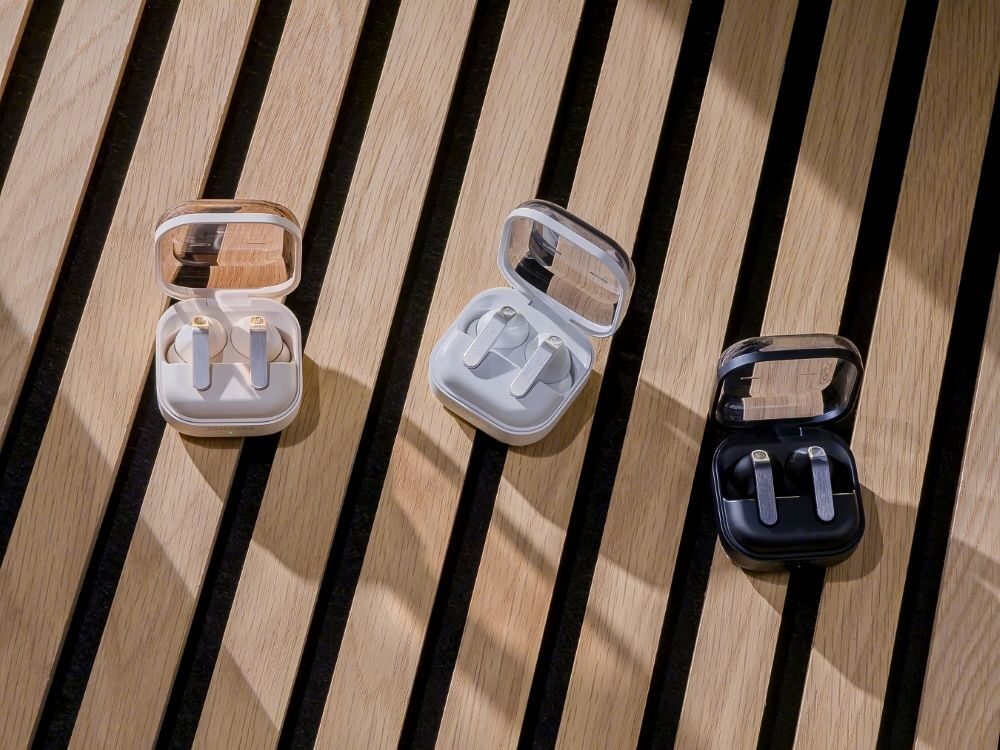
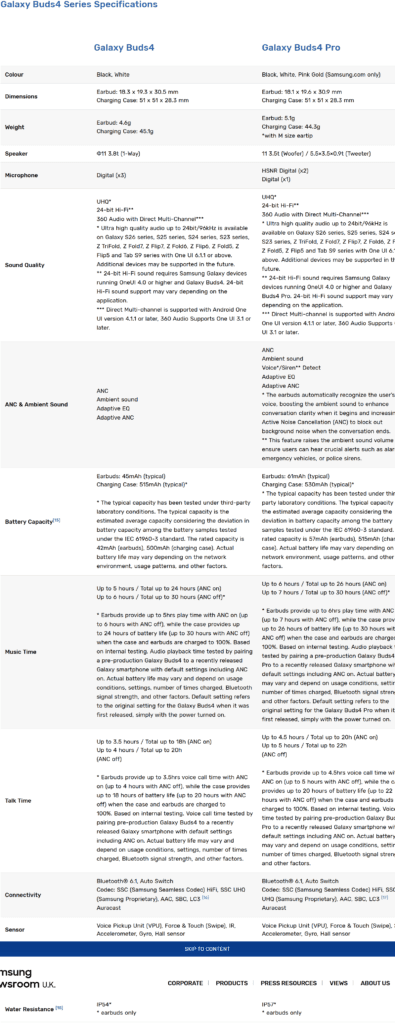
The Galaxy Buds 4 use an array of microphones that capture sound from multiple directions simultaneously. Alongside these microphones sits a component called the Voice Pick Up Unit (VPU), which is specifically designed to detect and lock onto the user’s voice.
While the VPU focuses on the speaker, the AI system works to suppress everything else: traffic, wind, ambient conversations, and other common environmental sounds.
The result is a call experience where the other person hears you clearly, not you, plus a crowded room.
Read also: Caviar Unveils 24K Gold Samsung Galaxy S26 Ultra For $11,490, Limited To Just 76 Buyers.
The Science Behind Clearer Calls
One of the less visible but highly impactful improvements in HD Voice is the expansion of Bluetooth’s audio frequency range. Standard Bluetooth calls operate within a narrow frequency band, which tends to compress voice audio and muddy the finer details of speech.
The Galaxy Buds 4 extend this range to 16 kHz—a specification Samsung refers to as super wideband. This wider range allows more acoustic data to be transmitted during each call, which has a practical effect on comprehension.
Sounds like “s”, “z”, “th”, and “f” are particularly difficult to distinguish over compressed audio. These consonants carry significant meaning in English, and losing them often leads to misheard words and repeated requests for clarification.
By broadening the frequency range, HD Voice preserves these sounds and makes conversations easier to follow from start to finish.
Seamless Integration with Galaxy Devices
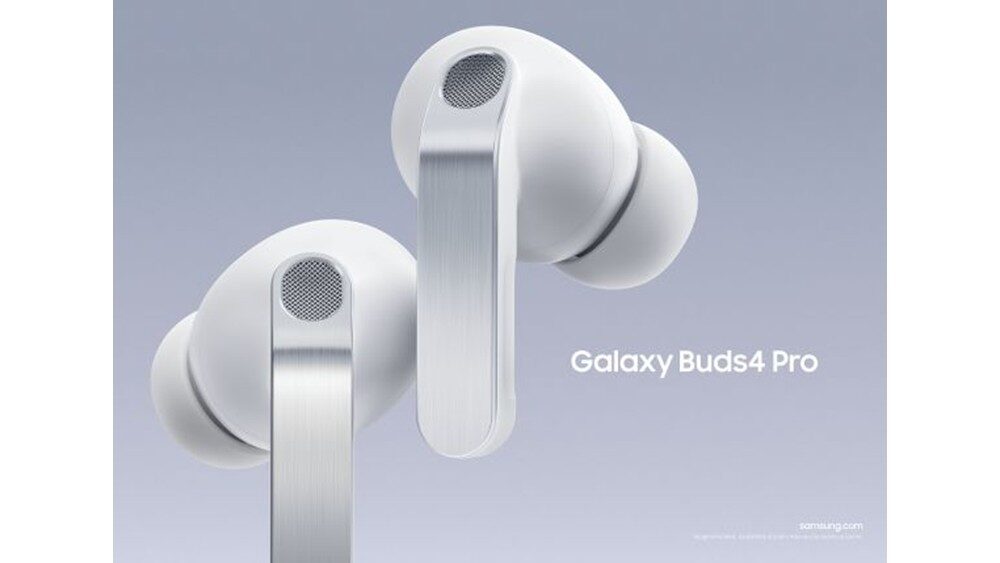
HD Voice reaches its full potential when paired with Samsung’s own ecosystem. The Galaxy Buds 4 Series connects effortlessly with Galaxy smartphones. Open the case near a paired device, and the connection is established automatically.
When used alongside the Galaxy S26 series, the call quality improves further. Samsung has optimised the hardware and software pairing between these devices to deliver the best possible audio performance during calls.
For users who want to enable the feature manually, the path is straightforward:
Settings → Galaxy Buds → Sound Quality and Effects → Advanced Quality Options → Super Wide Band Speech
Once activated, the super wideband setting applies to calls automatically, without requiring any additional input during conversations.
Why Call Clarity Matters More Than You Think
Audio quality during calls is easy to overlook when reviewing a new pair of earbuds. Most attention gravitates toward music performance, active noise cancellation, or design.
But for remote workers, frequent callers, and professionals who rely on clear communication, call quality is often the feature they notice most in daily use.
A dropped word in a business call, a misunderstood instruction, or simply the frustration of asking someone to repeat themselves—these small friction points add up. HD Voice addresses them by treating call audio with the same level of engineering attention traditionally reserved for music playback.
The Galaxy Buds 4 Series doesn’t just improve how your music sounds. It improves how you sound to everyone else.
A Thoughtful Upgrade for Everyday Communication
Samsung has built HD Voice around a practical understanding of how people actually use earbuds. Most users aren’t wearing them only during gym sessions or commutes; they’re using them throughout the day, cycling in and out of calls, meetings, and conversations.
The multi-microphone setup, VPU technology, AI noise suppression, and expanded Bluetooth frequency range work together as a system rather than as isolated features. Each element supports the others, and the outcome is called audio that feels noticeably more natural.
For anyone who spends significant time on calls, whether for work, family, or anything in between, the Galaxy Buds 4 Series makes a compelling case. HD Voice may not be the loudest feature on the spec sheet, but it could be the one you end up appreciating most.
The Bottom Line
The Galaxy Buds 4 Series represents a meaningful step forward in wireless earbud technology, particularly for call performance. AI-powered HD Voice, super wideband audio at 16kHz, and tight integration with the Galaxy ecosystem combine to address one of the most common frustrations in wireless audio—unclear phone calls.
If call quality is a priority for you, these earbuds deserve a closer look.
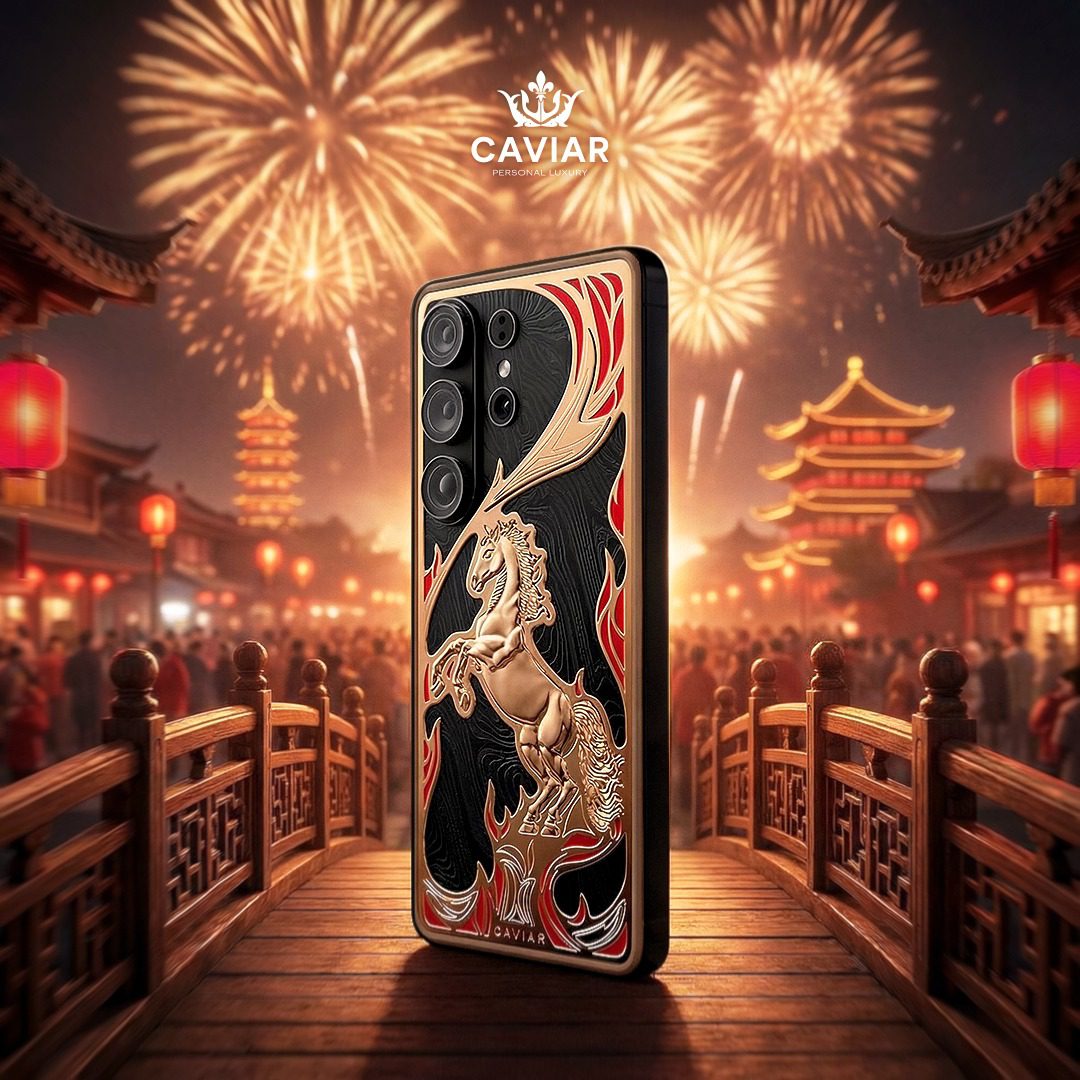
Experience the ultra‑exclusive Caviar Samsung Galaxy S26 Ultra, featuring a 24K gold design and priced at $11,490. Limited to only 76 units worldwide, this luxury edition blends premium craftsmanship with rare collector appeal.
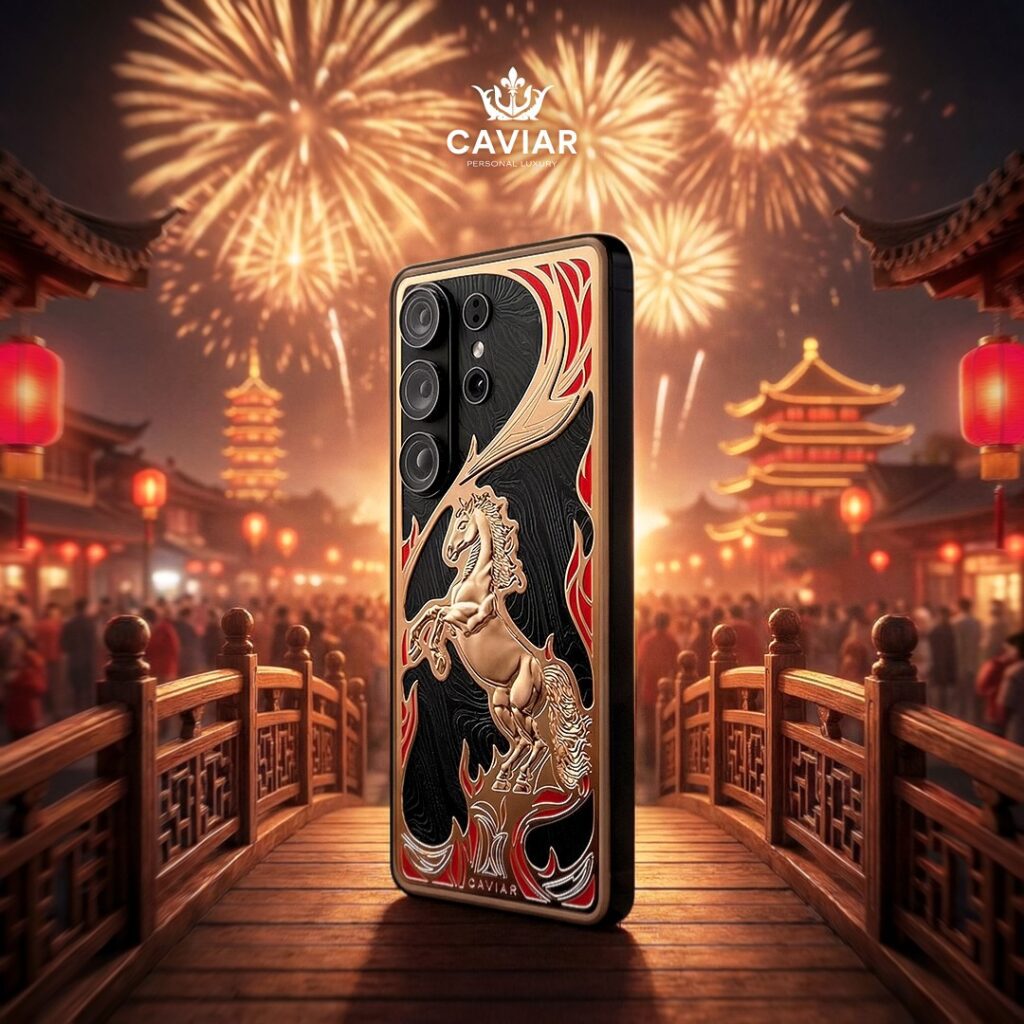
Most people upgrading their phone this year will spend somewhere between $800 and $1,300. Then there’s a very different kind of buyer, one who looks at a flagship smartphone and sees a canvas.
Caviar, the Russian luxury customisation house known for slapping gold and carbon fibre onto high-end devices, just unveiled its latest creation: the Totem collection, a series of modded Galaxy S26 Ultras that starts at $10,490 and tops out at $11,490.
READ ALSO: Samsung Galaxy S26 Ultra Battery and Charging: What’s Changed From S25 Ultra?
That’s not a typo. For context, a standard Galaxy S26 Ultra retails at $1,300, meaning Caviar is charging roughly eight times the base price for materials, craftsmanship, and a story.
Only 76 units exist across the collection, with each design capped at 19 pieces. If you want one, you’ll need to act quickly and have significant resources.
What Is the Totem Collection?
The Totem collection features four designs, each centred on an animal archetype: the Fire Horse, Lion, Falcon, and Wolf. Every model uses premium materials, hand-applied finishes, and a sculptural element, but each has its own distinct aesthetic.
The Fire Horse is the flagship model at $11,490, and it’s the one getting most of the attention. The back features hand-applied red enamel layered over black titanium with a PVD coating, the same finishing technique used by high-end watchmakers like Richard Mille when they want a surface that looks expensive and holds up over time.
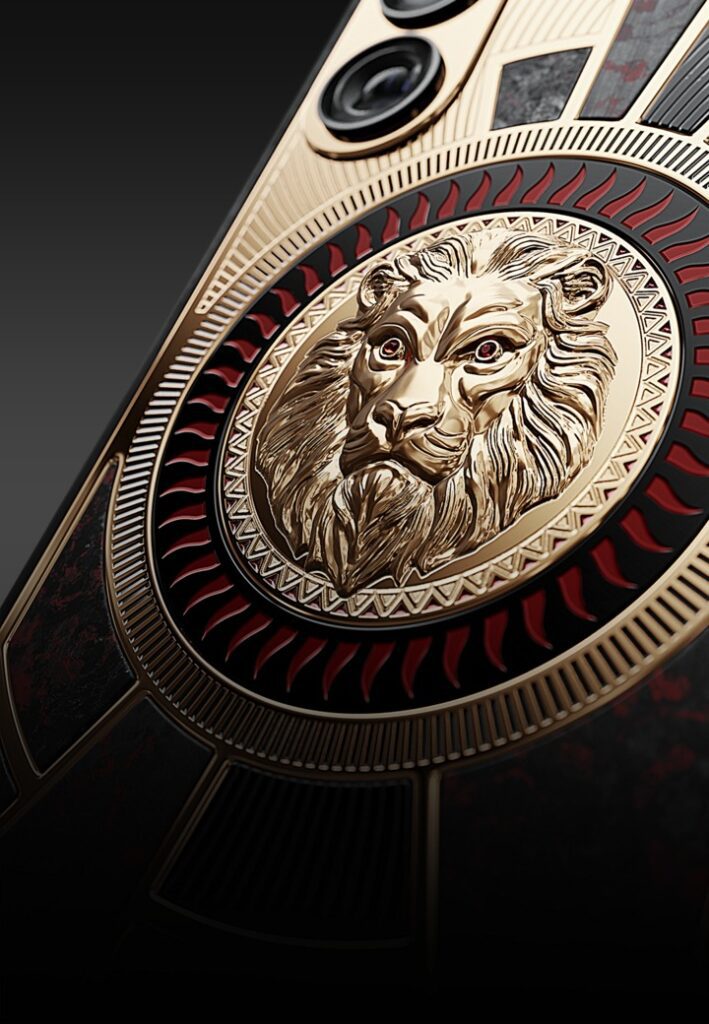
The horse itself is a bas-relief sculpture, not a decal or a printed graphic. It rears up from the back of the phone as a three-dimensional piece of metalwork.
Caviar ties the design to the Eastern Zodiac, noting that 2026 is the Year of the Fire Horse. Whether you find that meaningful or marketing, it’s the kind of narrative detail that luxury buyers tend to appreciate. Owning a limited object is one thing. Owning a limited object with a backstory is another.
The Lion, Falcon, and Wolf variants follow a similar approach—each rendered in its own material palette, each limited to 19 units worldwide.
Gold, Enamel, and PVD: What You’re Actually Paying For
Caviar’s pricing always raises the same question: what exactly is the markup covering?
The markup covers multiple elements beyond the base phone.
PVD coating — Physical vapour deposition is a process borrowed from the luxury watch industry. It deposits an ultra-thin layer of material onto a surface under vacuum conditions, producing a finish that’s both visually striking and significantly more durable than standard paint or plating. It’s expensive to apply correctly.
Hand-applied enamel — The red finish on the Fire Horse isn’t sprayed on by a machine. Applying enamel by hand is a time-intensive process that requires skilled labour and multiple firing stages to achieve a consistent, deep colour. Each phone will have slight variations that make it technically unique.
24K gold elements — Gold plating is present across multiple components of the design. True 24K gold application is a different proposition than gold-coloured finishes, and it adds material cost on top of labour.
Bas-relief sculpture — The raised animal figures aren’t printed or etched. They’re sculpted elements applied to the back of the device, which requires additional manufacturing steps and skilled artisan work.
Put together, you’re paying for a process that’s closer to fine jewellery production than consumer electronics assembly. That doesn’t mean the price is rational by everyday standards, but it does explain where the money goes.
The Phone Underneath
Strip away the gold and enamel, and you’re still holding a Galaxy S26 Ultra, which is genuinely excellent hardware. The same Snapdragon 8 Elite Gen 5 chipset that makes the standard S26 Ultra one of the fastest Android phones available sits inside the Caviar version.
The 200MP camera system is identical. The Privacy Display feature, which adjusts viewing angles to block visibility from the sides, works exactly the same way.
The S26 Ultra itself won Best in Show at MWC 2026, beating out more than 3,000 competing devices. The judging panel specifically highlighted its privacy features as addressing real user needs rather than spec-sheet novelties. Samsung’s EVP of mobile marketing described it as an agentic AI phone, a device capable of taking actions on your behalf rather than just responding to commands.
So, the Caviar buyer gets the same award-winning hardware as any Samsung customer—the distinction is entirely in the device’s exterior and the image it projects.
Who Actually Buys This?
Caviar has been in this business long enough to have a clear picture of its customers. These aren’t people agonising over their phone upgrade budget or waiting for a trade-in deal. They’re buyers for whom the standard luxury market—the watches, the handbags, the cars—has become too common. They want objects that are rare by design, not just expensive.
For these buyers, a limited-edition Totem phone accomplishes several goals. It acts as a status symbol among peers who value exclusivity, starts conversations as an object of craftsmanship, and demonstrates appreciation for technical artistry, like PVD coating or the bas-relief process, that signals an understanding of luxury design.
With only 19 units per design, the Totem phones are scarcer than most art prints. Whether they appreciate in value is debatable, but the rarity is clear.
The Luxury Phone Market in Context
Caviar isn’t alone; rivals like Brikk and Goldgenie also modify high-end hardware with precious materials. But Caviar excels at narrative—using zodiac themes, archetypes, and an emphasis on artisan process.
What makes the Totem collection interesting from a market perspective is the timing. The Galaxy S26 Ultra already commands attention as the best Android flagship available. Launching a luxury variant at the peak of that attention maximises the cultural relevance of the modification. You’re not gilding an afterthought—you’re gilding the Best in Show winner at MWC 2026.
For most, a $10,490 phone is an abstraction, but Caviar’s market is the select group of 76.
Should You Buy One?
Caviar knows this is not for general buyers; the price is for those with the resources and specific tastes to match.
If you’re shopping for a Galaxy S26 Ultra, the standard model at $1,300 gives you every hardware advantage that won the MWC award. The Snapdragon 8 Elite Gen 5, the 200MP camera, the Privacy Display, One UI 8.5, and all the Galaxy AI features are present and accounted for—no gold required.
But if you want something that 18 other people on the planet own, something built by artisans using techniques borrowed from fine watchmaking, something that carries a story alongside its specs? The Totem collection makes a strange kind of sense. It’s not trying to be the best phone. It’s trying to be the most interesting object in the room.
The Bottom Line on Caviar’s Galaxy S26 Ultra
The Caviar Galaxy S26 Ultra Totem collection is expensive, deliberately scarce, and thoroughly unnecessary by any functional measure. It also represents a genuine fusion of luxury craft and cutting-edge mobile technology, executed at a level that few brands attempt.
If you want what only 18 others will own, the Fire Horse starts at $11,490. For this audience, the decision is already made.

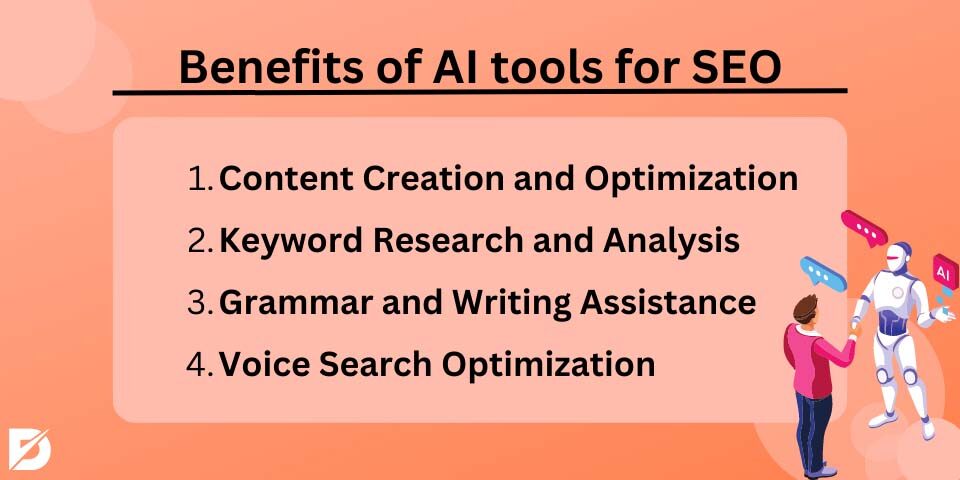
Content creation can be time-consuming and arduous, especially when figuring out, researching, writing, and SEO-optimising content in the same session.

Whether you are a content marketer, SEO expert, or blogger, writing high-quality, engaging, and optimized content is always your priority.
However, here’s the good news: AI tools have helped make content creation much quicker, smarter, and more efficient.
In this blog, we’ll show you all the options for using AI tools for content creation. You’ll also learn how to apply these tools to achieve SEO goals and create a streamlined content strategy. Let’s learn how you can leverage artificial intelligence to make better work.
Why Use AI Tools for Content Creation?
Table of Contents
AI tools aim to streamline the content creation process without degrading the quality. The following are some of the main advantages of AI-based tools:
• Save Time: automate keyword research, proofreading, or SEO tasks.
• Enhance Quality: Improve readability and interaction with suggestions on rephrasing and structuring content.
• Achieve SEO Objectives: Add keywords without breaking and fill metadata with AI-driven SEO suggestions.
• Idea Spark: AI-based platforms may provide ideas, headlines, or content structure suggestions to start you off.
• Increase Productivity: Focus on creativity and strategy and let the AI do the tedious work.
Top-Rated AI Tools for All Content Creation Stages
All stages of content creation (research, writing, editing, and optimisation) can benefit from AI capabilities. Here, we’ll review some tools to ensure you create great content efficiently.
1. AI Writing Assistants
AI writing tools like Jasper or ChatGPT are a blessing when brainstorming, putting together articles, and creating content. They produce human-like sentences using sophisticated natural language processing (NLP).
How to Use These Tools:
• Create blog post headings by typing a simple prompt or idea.
• Use them to write the first draft of your piece and then tweak and customise it.
• Play around with tone tweaks, whether you’re targeting conversational, professional, or persuasive material.
Example tool recommendation:
• Jasper generates articles, email copy ideas, or headline variations based on a single prompt. Businesses love blogging with Jasper due to its SEO-friendly templates.
2. SEO Optimization Tools
When it comes to content that can be SEO-optimised, the key is combining content and SEO techniques. Tools such as Surfer SEO or Yoast SEO allow you to format your drafts to suit SEO standards.
How to Use These Tools:
• Surfer SEO: Check your drafts for readability, keyword count, proper length, and more.
• Use Yoast SEO (a WordPress plugin) to optimise live content-by-content with recommendations for title tags, meta descriptions, and internal links.
• Find and incorporate highly searched keywords for your audience using tools such as SEMrush or Ahrefs.
Example tool recommendation:
• Surfer SEO analyses content and generates data-based article briefs by pulling content suggestions from leading pages. Perfect for competitive industries!
3. Grammar and Style Checkers
You might have an engaging piece, but misspellings, incomprehensible language, or a lack of consistent flow are enough to turn readers off. Grammar checkers like Grammarly or ProWritingAid can enhance the quality of your text by identifying grammar errors and introducing more tone.
How to Use These Tools:
• Grammarly detects grammatical and punctuation errors within seconds.
• Utilise tone suggestion features to achieve brand consistency.
• ProWritingAid: for full grammar diagnosis, style recommendations, and plagiarism report.
Example tool recommendation:
• Grammarly Premium corrects mistakes and provides stylistic guidance based on your content intent.
4. AI-Powered Image Generators
AI isn’t only for words—apps such as Canva and MidJourney make creating high-quality graphics to complement your posts easy. Visuals influence your visitors’ reactions, which makes your content unique in an increasingly competitive market.
How to Use These Tools:
• Design your banners, infographics, or social media icons on Canva.
• Use MidJourney or DALL-E to visualise specific, unique visual concepts instantly.
• Sync your imagery with branding by having AI suggest complementary colours or fonts.
Example tool recommendation:
• Canva Pro includes multiple editable templates, stock photos, and colour-matching options to have professional-looking assets at your fingertips.
5. Content Personalization Tools
Personalising your content isn’t just a bonus but a requirement to create a strong relationship with your readers. Machine learning solutions like HubSpot or Outgrow enable you to personalise content according to user data and behaviour.
How to Use These Tools:
• Create blog content that updates based on the user’s location, likes, or dislikes.
• Design interactive quizzes, polls, or calculators to encourage users to interact and get insights from their audiences.
Example tool recommendation:
• HubSpot CRM incorporates AI into your content strategy with data-driven suggestions for custom CTAs and landing pages.
SEO-Driven Content Creation with AI
You need great content, but it won’t make a difference to your target audience if people don’t find it. How can AI tools be used specifically to make your content SEO-friendly?
1. Conduct Smart Keyword Research
AI-driven tools such as SEMrush or Ahrefs automate keyword research. They analyze the search intent, keyword complexity, and gaps to show you what keywords to focus on.
2. Optimize for Voice Search
With virtual assistants like Siri and Alexa, voice search is still gaining momentum. AI tools such as AnswerThePublic will be able to show you how to focus your content on long-tail keywords that align with voice queries.
3. Automate Meta Content Creation
Meta titles and meta descriptions are often dull to write. Machine-learning tools like Frase.io or Outwrite produce optimised meta content containing keywords and driving clicks.
4. Track Performance with AI Analytics
Keep an eye on how your content holds up once it is published with the help of AI analytics tools such as Google Analytics 4 and HubSpot Insights. Such systems use AI-generated predictions to determine page views, bounce rates, and conversions and suggest improvement actions.
How to Use AI Tools to the Fullest in Your Workflow.
• Blends: Combine tools at different phases of content creation to achieve optimal performance.
• Be Human: AI is great, but don’t forget the human edit part. Add personality, narrative, and context that is emotionally satisfying to your audience.
• Keep Up To Date: AI is constantly evolving. Keep up to date on the new improvements and upgrades to your tools.
The Digital Content Future of AI?
AI-powered components are not merely an add-on but part of a content marketing success strategy. Because they simplify and generate creativity, AI empowers marketers and content creators to prioritise high-value work, such as creativity and strategy, over mundane tasks.
You’ll increase your productivity and make your content engaging, targeted, and search engine-friendly by incorporating AI technology into your content creation workflow.
JOIN THE CONVERSATION→ Telegram | X/Twitter | Facebook | WhatsApp|WhatsApp Channel|Mobile App|Instagram
Let the power of AI be used in content production today. You can use Jasper, Grammarly, and Surfer SEO tools to change your output. Be prepared now, and embrace the future of content production.

Download Blood Sisters Season 2 (Complete)

Download Michael (2026)

President Tinubu Confers National Honours on 50 Pro-Democracy Figures

Download Wura Season 4 (Episode 25 Added)

Download Behind the Scenes (2025) – Nollywood Movie

Nigeria: Reps Push FG to Reverse Ban on Togo, Benin Republic Degrees

Samsung Galaxy S26 Update Removes Perplexity’s ‘Hey Plex’ Voice Command

Galaxy Buds 4 Introduce AI‑Enhanced HD Voice to Transform Call Quality

Caviar Unveils 24K Gold Samsung Galaxy S26 Ultra For $11,490, Limited To Just 76 Buyers.

Orí: Rebirth (2025) – Nollywood-Yoruba-Movie

MC Oluomo Is No Longer A Valid NURTW Member; Tinubu Should Call Him To Order—Lekan Salami

Close President Putin’s Ally, Vladimir Egorov Plunges To Death From Third-Floor Window

”I Entrusted $9 Billion To Dauda Lawal, The Then FBN Executive Director. I Need To Seek Forgiveness From The Nigerian People And President Tinubu”-Diezani

”We Endorsed APC Muslim-Muslim Ticket In 2023, But Now We’re Suffering. What We Used To Buy N200 Now N2000”.- Supreme Council For Sharia Cries Out Over Hardship

”Sim Fubara Has Been Castrated, Now a Puppet Governor”-Nigerians Reacts Over Peace Deal With Predecessor, Nyesom Wike

Yahaya Bello Visited Our Office In A Convoy With The Sitting Governor- EFCC Revealed Why He Was Turned Back

Dele Momodu Pins Blame On President Tinubu Amidst the Protests

Reinstated Kano Emir Muhammadu Sanusi Gets Another Court Removal Verdict

Resurfaced 1995 Video Of Kamala Harris And Willie Brown Sparks Reactions

Our Economy Is Recovering Steadily And Gradually- President Tinubu Tells Traditional Rulers.
Watch This Blogger Home Is An Airy Inspiration
Hipster Yoga at the End of the World

Illinois’ financial crisis could bring the state to a halt
The final 6 ‘Game of Thrones’ episodes might feel like a full season
New Season 8 Walking Dead trailer flashes forward in time
Mod turns ‘Counter-Strike’ into a ‘Tekken’ clone with fighting chickens
Meet Superman’s grandfather in new trailer for Krypton
Disney’s live-action Aladdin finally finds its stars
Who are the early favorites to win the NFL rushing title?
The old and New Edition cast comes together to perform
-
News2 years ago
MC Oluomo Is No Longer A Valid NURTW Member; Tinubu Should Call Him To Order—Lekan Salami
-
Viral Gists2 years ago
Close President Putin’s Ally, Vladimir Egorov Plunges To Death From Third-Floor Window
-
Viral Gists2 years ago
”I Entrusted $9 Billion To Dauda Lawal, The Then FBN Executive Director. I Need To Seek Forgiveness From The Nigerian People And President Tinubu”-Diezani
-
Viral Gists2 years ago
”We Endorsed APC Muslim-Muslim Ticket In 2023, But Now We’re Suffering. What We Used To Buy N200 Now N2000”.- Supreme Council For Sharia Cries Out Over Hardship
-
Viral Gists2 years ago
”Sim Fubara Has Been Castrated, Now a Puppet Governor”-Nigerians Reacts Over Peace Deal With Predecessor, Nyesom Wike
-
Politics2 years ago
Yahaya Bello Visited Our Office In A Convoy With The Sitting Governor- EFCC Revealed Why He Was Turned Back
-
News2 years ago
Dele Momodu Pins Blame On President Tinubu Amidst the Protests
-
Viral Gists2 years ago
Reinstated Kano Emir Muhammadu Sanusi Gets Another Court Removal Verdict