
Politics
REST, RETREAT SIGNPOSTS OF VISIONARY & STRATEGIC LEADERSHIP-By Olufemi Orunsola

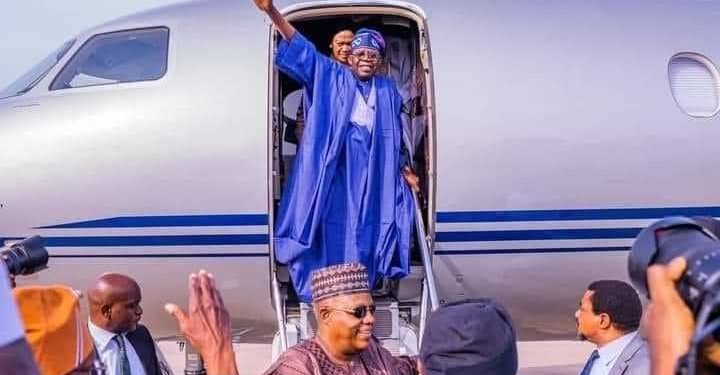
By Olufemi Orunsola
John Wesley, an English cleric, theologian, evangelist and a leader of a revival movement within the Church of England known as Methodism was credited with the saying that “An error in principle, occasions an error in practice”. That submission of the fiery revivalist whose teachings influenced and shook England drives home the fact that leadership goes wrong essentially from the core values and principles imbibed by leaders – not basically by the actions thereafter taken by such leaders.
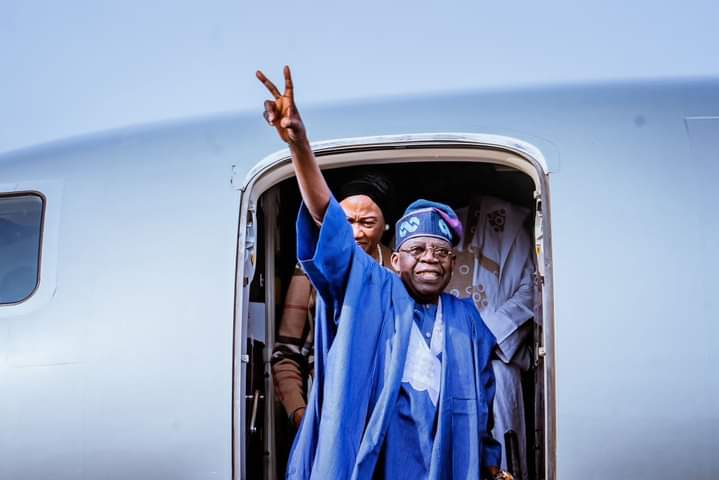
Ever since the Numero uno citizen of Nigeria-elect, Bola Ahmed Tinubu travelled out of the country to take his well-deserved rest and retreat after he was declared winner of the 2023 election, tongues of wailers have not ceased to wag, with some mischief-makers asking baseless questions while many fifth columnists made fictitious insinuations about his whereabouts in relations to his purported ill health among other crass insinuations.
Of course, those folks are entitled to their expressed and ventilated opinions about a man who bears constitutional public responsibility for leading Africa’s second most populous country for the next four years in the first instance.
What remained sacrosanct however was that the man Jagaban equally has a right to freedom of movement and personal retreat after traversing the entire length and breadth of the country, practically visiting the 36 states of the federation where he ran massive political campaigns before the Presidential election of February 25?
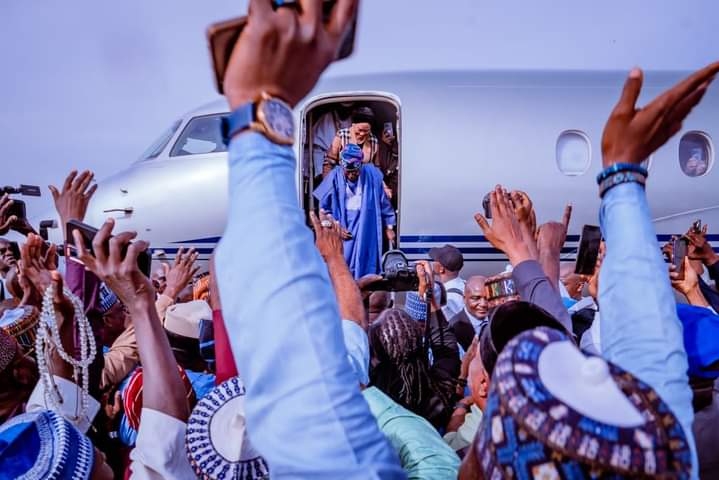
What the wailers and fifth columnists have failed to realize is that leadership is not just a sprint that requires the muscles of Usain Bolt, nor is it essentially a boxing bout that demands the stamina of Muhammad Ali or our own Anthony Joshua to win. Leadership is a top management function that experts across the globe seem to hold the consensus opinion that it is a primary function of strategic thinking, eagle-eyed vision, and stellar principles of meritocracy blended with a passion for making a difference and the will power to do so, deploying all available human and material resources judiciously.
For the records, leadership in the 21st-century post-COVID-19 era has gone beyond the charade of flirtatious visitations and attention-seeking messianic self-presentation greeted with uncontrolled verbal diarrhoea and vituperations.
Leadership, like politics itself, is essentially a game of strategic thinking, planning and connections, not just about throwing political tantrums and careless words targeted at bringing well meaningful intentions of others into public disrepute.
The defective thinking and speech coming from quarters that “No serious leader will go on rest” is quite unimpressive and utterly condemnable. Pieces of evidence abound that great leaders of thought in virtually all spheres of human endeavours have inculcated a work culture of going on periodic personal retreats or vacations. Countless numbers of religious leaders to whom people throng for spiritual assistance (and political assistance too!) have openly announced to their congregations that they always go on periodic retreats to relax, rewind and re-invent themselves via meditations, reading and prayerful planning which guarantee more unction to function in the work of ministries! To tell such leaders, from whom help is sought at crucial times of need, that they are not serious leaders simply because they take some time off to go on rest is therefore unthinkable and counterproductive.
Funny enough, many of the tongues spewing gibberish about the personal retreat movement of the President-elect have equally taken their own well-deserved rest after spending serial days and nights of sleepless nights on social media running smear campaigns paid for by their bank rollers and political employers via their mobile devices and computer systems! – At least until their worst nightmare and the man they and their principals dread so much came back from his strategic post-election retreat!
As the clock ticks away and the May 29 handover date draws closer and the Jagaban of Africa is back in the country, it is high time the wailers and detractors are reminded that it is of no use crying when the milk is already split on the floor! Everyone should get busy doing the right set of things permissible within the armbit of the supreme law of the land, the Constitution. Nigeria has come a very long away. Nigeria is not another Sudan! The country’s history is replete with sparks of divine providence and interventions that have redirected it from the enterprise of war-mongers at different times in the past since the horrible civil war of 1967.
Therefore, those who think they have all the right reasons and perhaps the wherewithal to truncate the nation’s democracy at this crucial time should know that providence and due diligence are vital odds standing against them – and these two forces combined will once again frustrate their wishful thinking against the ascendency of Bola Ahmed Tinubu to the seat of power in Nigeria.
Given the strategic leadership track records of Tinubu and his political consistency in being a progressive politician who works with the best available hands and technocrats over the last decades, well-meaning Nigerians in the North, South, East and Western parts of the country should simply intensify their prayers for the President-elect to enable him to lead the country out of the woods and re-nurture it to an enviable state of becoming a land that can once again be called green indeed!
For the umpteenth time, political soothsayers brandishing long cloaks of operating in the realms of fake, paid prophecies in their different shades and hues should shut their buccal cavities and stop their unprofitable trades of fanning baseless embers of hate and war in the name of God.
The social media night crawlers should wake up and readjust their psyche to the need to take on the new tasks of serving, rightfully and constitutionally as constructive criticizers of the in-coming government led by Bola Ahmed Tinubu.
While one hopes and prays for Sudan to recover as soon as possible from the devastating effects of the ongoing Cold War in that country, where thousands of immigrant Nigerians are still trapped and eagerly awaiting evacuation back home, it is time to remind those routing for political truncation of Nigeria’s democracy that they have the invincible and invisible hand of providence to contend with in the case of Nigeria – a country destined to be great!
God Bless the Federal Republic of Nigeria.
God Bless the President-elect, His Excellency, Bola Ahmed Tinubu and grant him more wisdom, courage and sound health to lead the country to greater heights among the comity of Nations!
Olufemi Orunsola, a Media Entrepreneur & Consultant, writes from Abeokuta, Ogun State, Nigeria.

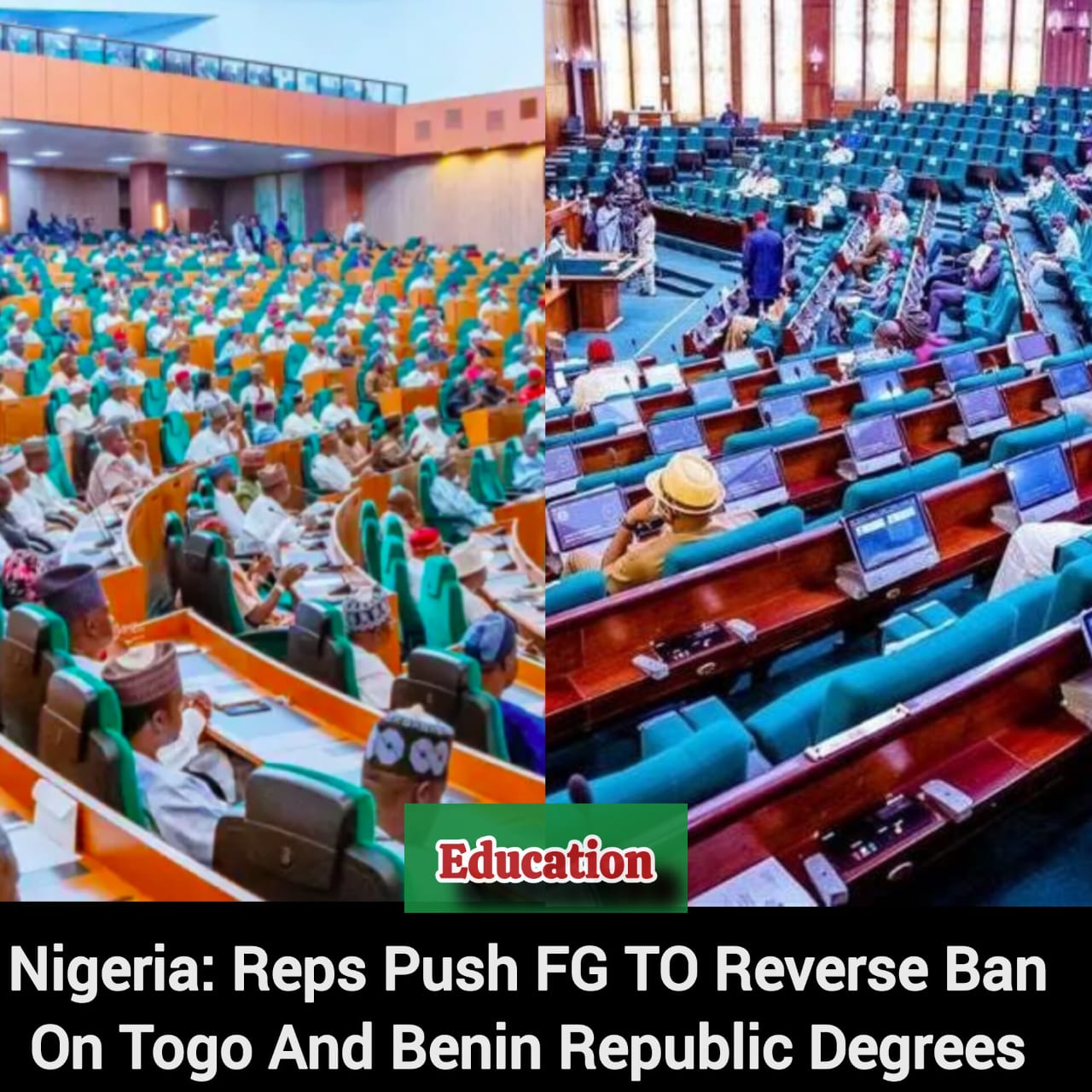
Nigeria’s reps call to reverse the blanket ban on degrees from the Benin Republic and Togo. Here’s what the policy means for graduates and what should happen next.
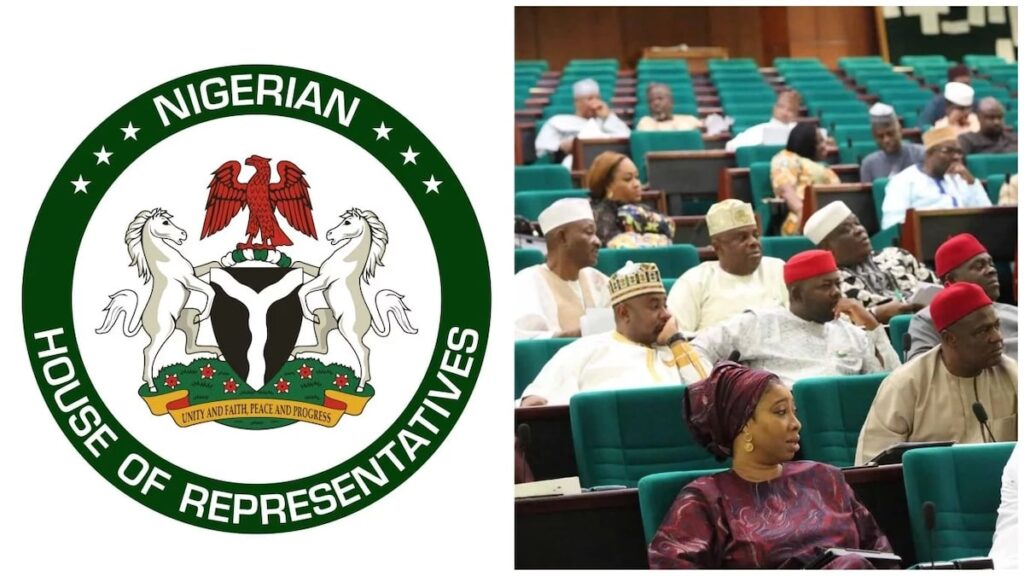
Nigeria’s House of Representatives has taken a firm stance on one of the most pressing issues facing the country’s education sector.
On 12 March 2026, lawmakers formally called on the Federal Government to reverse its blanket invalidation of degree certificates obtained from the Republic of Benin and Togo. This decision has left thousands of graduates in professional limbo.
The motion, which followed the adoption of a report by the House Committee on Public Petitions, was triggered by a petition from Sovereignty Legal Practitioners, acting on behalf of stakeholders in the education sector.
At its core, the debate raises a question that cuts to the heart of educational policy: when fraud is the problem, is punishing everyone really the solution?
Background: Why the Ban Was Introduced
The Federal Government’s decision to suspend the accreditation and evaluation of degrees from the Benin Republic and Togo was not made lightly.
In January 2024, an undercover investigation exposed widespread certificate racketeering involving institutions in both countries. The findings were alarming — a sophisticated network of fraudulent qualifications making their way into Nigeria’s workforce and public service.
The government’s response was swift. All degree certificates from both countries were invalidated pending further review. On the surface, the policy seemed decisive. In practice, it created an enormous problem for graduates who had earned their qualifications honestly.
READ ALSO: Dating A Short Man Feels Like I Am Dating My Son— Diminutive Ghanaian Woman (Video)
The Case Against a Blanket Ban
Committee Chairman Laori Kwamoti presented the committee’s findings clearly: a blanket ban, however well-intentioned, is a blunt instrument. It makes no distinction between a legitimate graduate who spent years studying abroad and someone who purchased a certificate from a diploma mill.
The consequences for those caught in the crossfire are significant. Affected graduates may find themselves locked out of employment, unable to have their qualifications recognised by Nigerian employers or professional bodies — despite having done nothing wrong. Their academic records are effectively rendered worthless by a policy designed to catch fraudsters, not them.
This is the core problem with sweeping sanctions in education policy. A minority usually commits fraud. When the penalty falls on everyone, the policy punishes the many for the actions of the few.
What the House of Representatives Is Recommending
Rather than maintaining the blanket ban, the House Committee on Public Petitions has proposed a more measured approach. Their key recommendations include:
- A case-by-case verification process to assess individual certificates on their own merits, rather than invalidating all degrees from both countries outright
- Collaboration between Nigeria’s Federal Ministry of Education and education authorities in Benin and Togo to strengthen cross-border verification systems and curb academic fraud
- Proper authentication frameworks for foreign qualifications, ensuring that legitimate degrees are recognized and fraudulent ones are identified and rejected.
These recommendations reflect a more proportionate approach — one that targets the actual problem without collateral damage to innocent graduates.
Why Verification Matters More Than Prohibition
The recommendations put forward by the House point to a broader truth about how countries should manage foreign qualifications. Outright bans are rarely sustainable long-term solutions. They disrupt legitimate academic pathways, deter genuine students from pursuing regional education opportunities, and create uncertainty for employers trying to assess candidates’ credentials.
A robust, case-by-case verification system, by contrast, addresses the root cause. It creates accountability without penalising those who played by the rules. Countries such as the United Kingdom and Canada have well-established frameworks for assessing foreign qualification systems that are thorough, fair, and adaptable as circumstances change.
For Nigeria, building a similar infrastructure would require investment and inter-agency cooperation. But the long-term benefits of a more trustworthy credentialing system and greater regional educational integration within West Africa far outweigh the short-term administrative effort.
The Bigger Picture: Academic Fraud in West Africa
Certificate racketeering is not unique to the Benin Republic and Togo. Across West Africa, the demand for qualifications, particularly among those seeking public sector employment, has fuelled a black market for fraudulent academic credentials.
The consequences extend beyond individual fraud; they undermine public trust in educational institutions and erode the credibility of legitimate qualifications.
Nigeria has grappled with this issue domestically as well. Degree mills and certificate forgeries have been a persistent challenge for regulatory bodies such as the National Universities Commission (NUC).
Addressing the problem at a regional level requires sustained collaboration, not unilateral bans that strain diplomatic and educational ties with neighbouring countries.
What Happens Next?
The House of Representatives’ recommendations are now before the Federal Government. Whether the government will act and how quickly remains to be seen. The Ministry of Education will need to engage with its counterparts in the Benin Republic and Togo to establish the verification frameworks that the committee has recommended.
For the thousands of graduates currently affected by the ban, the outcome of these deliberations is anything but abstract. Their careers, professional registrations, and livelihoods depend on a resolution that is both fair and effective.
A Smarter Path Forward
The House of Representatives is right to push back on the blanket ban. Fraud demands a targeted response, one that identifies bad actors rather than penalising entire cohorts of graduates who studied in good faith.
Building better verification systems will take time and political will. But it is the only approach that protects the integrity of Nigeria’s education system without sacrificing fairness.
As the Federal Government considers its next steps, the voices of affected graduates and the lawmakers advocating on their behalf deserve to be heard.

Former Head of State Gen. Yakubu Gowon (retd) has explained why he refused to align any political party in Nigeria.
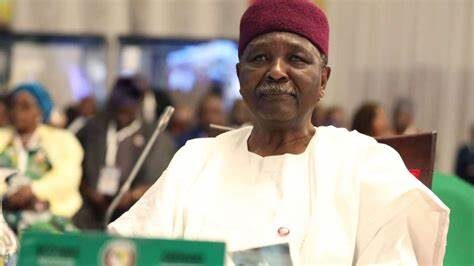
Gowon, 90, announced on Wednesday, November 27, in Abuja while receiving the League of Northern Democrats (LND), which former Kano State governor Senator Ibrahim Shekarau leads.
The elder statesman emphasised his patriotism for Nigeria, citing his military background as a driving force for his commitment to serving the country.
“I’ve always believed in taking the best from all ideologies, be it socialism, capitalism, or others, and applying them for the greater good.
“During my time in government, we valued diverse perspectives, but decisions were always made in the interest of the people and the nation.”
The former Head of State argued that the North had to make sacrifices to alleviate fears of one region’s dominance, especially considering its size and population. He stated that the idea emerged from prolonged consultations with political leaders, chiefs, and diverse groups.
At the time, he stated widespread concern in the South about the North’s dominance, which nearly led to calls for independence from all regions—west, east, and even the North.
“If we had allowed it, what would we call ourselves today? We might have ended up with separate nations—Yoruba, Igbo, Hausa, or otherwise. I hesitate to say more, as I might risk offending someone here.”
Gowon expressed sadness at the current challenges facing the North, such as the rise of groups like the Lukurawa from Mali, claiming that their activities have further exacerbated the region’s woes.
JOIN THE CONVERSATION→ Telegram | X/Twitter | Facebook | WhatsApp|WhatsApp Channel|Mobile App|Instagram
Gen. Gowon led Nigeria as a military commander for nine years, from 1966 to 1975, before being deposed by a military junta.
Politics
Tinubu Has A Better Plan To Transform Nigeria Than Other Two Rivals—Doyin Okupe Tackles Atiku, Peter Obi

Doyin Okupe, ex-Director-General of the Labour Party’s presidential campaign, has openly critiqued the 2023 presidential hopeful, Peter Obi, for his lack of solid policy documentation in support of his “consumption-to-production” campaign slogan.
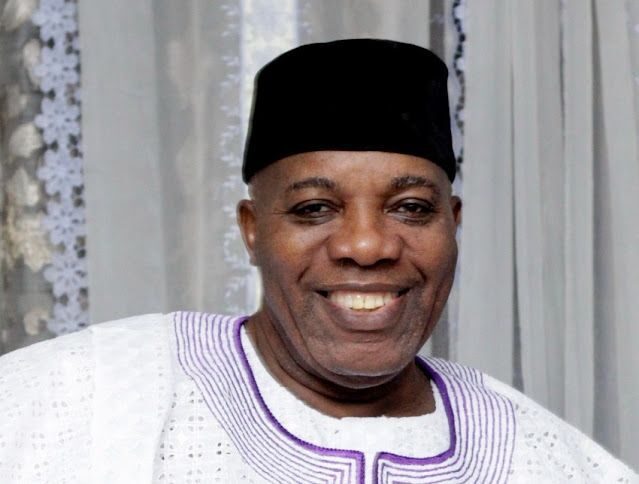
Meanwhile, Okupe praised Present Bola Tinubu on Tuesday, stating that Tinubu’s policy framework trumped those of his rivals in the 2023 electoral race.
“Tinubu has a better policy document than any of his two rivals during the 2023 presidential election.”
Okupe noted that Tinubu is meticulously executing the “Renewed Hope Agenda,” which entails settling overwhelming debts to stabilise the economic landscape.
Despite being political rivals, Okupe recognised Tinubu’s superior policy document in the 2023 presidential race, according to a report by NAN.
Atiku Abubakar, the Peoples Democratic Party (PDP) candidate, also received criticism from Okupe.
He reasoned that Atiku’s strategies heavily depended on theoretical loan arrangements, which were unrealistic given Nigeria’s economic circumstances at the time; international institutions were hesitant to offer loans.
“All we were saying was that we wanted to take Nigeria from consumption to production; good rhetoric, but it was not grounded either in policy development or principle application,” he added
Regarding Peter Obi’s campaign, Okupe commented that the Labour Party lacked a policy document guiding its vision, stating, “We wanted to take Nigeria from consumption to production; good rhetoric, but it was not grounded either in policy development or principle application.”
Tinubu’s economic reform efforts, particularly in handling foreign exchange issues and tax reforms, were applauded by Okupe, stating it matched his campaign promises.
He added that Tinubu’s focus on systematic, actionable solutions was commendable, notwithstanding their political differences.
JOIN THE CONVERSATION→ Telegram | X/Twitter | Facebook | WhatsApp|WhatsApp Channel|Mobile App|Instagram
In conclusion, Okupe spotlighted Tinubu’s “Renewed Hope Agenda” as a solid tactic in addressing Nigeria’s current issues, suggesting that it could potentially propel the nation to greater heights.

Nigeria: Reps Push FG to Reverse Ban on Togo, Benin Republic Degrees

Samsung Galaxy S26 Update Removes Perplexity’s ‘Hey Plex’ Voice Command

Galaxy Buds 4 Introduce AI‑Enhanced HD Voice to Transform Call Quality

Caviar Unveils 24K Gold Samsung Galaxy S26 Ultra For $11,490, Limited To Just 76 Buyers.

Orí: Rebirth (2025) – Nollywood-Yoruba-Movie

Samsung Galaxy S26 Ultra Battery and Charging: What’s Changed From S25 Ultra?

Samsung Galaxy S26 Accessories Leaked: Cases, Skins & Protectors Trends

Dating A Short Man Feels Like I Am Dating My Son— Diminutive Ghanaian Woman (Video)

Davido Trends As His New Rolls Royce And Tesla Cybertruck Land In Nigeria (PHOTOS)

”Coming Out As HIV Positive Was Harder Than Coming Out As Gay”- Gay Rights Activist, Bisi Alimi (VIDEO)

MC Oluomo Is No Longer A Valid NURTW Member; Tinubu Should Call Him To Order—Lekan Salami

Close President Putin’s Ally, Vladimir Egorov Plunges To Death From Third-Floor Window

”I Entrusted $9 Billion To Dauda Lawal, The Then FBN Executive Director. I Need To Seek Forgiveness From The Nigerian People And President Tinubu”-Diezani

”We Endorsed APC Muslim-Muslim Ticket In 2023, But Now We’re Suffering. What We Used To Buy N200 Now N2000”.- Supreme Council For Sharia Cries Out Over Hardship

”Sim Fubara Has Been Castrated, Now a Puppet Governor”-Nigerians Reacts Over Peace Deal With Predecessor, Nyesom Wike

Yahaya Bello Visited Our Office In A Convoy With The Sitting Governor- EFCC Revealed Why He Was Turned Back

Dele Momodu Pins Blame On President Tinubu Amidst the Protests

Reinstated Kano Emir Muhammadu Sanusi Gets Another Court Removal Verdict

Resurfaced 1995 Video Of Kamala Harris And Willie Brown Sparks Reactions

Our Economy Is Recovering Steadily And Gradually- President Tinubu Tells Traditional Rulers.
Watch This Blogger Home Is An Airy Inspiration
Hipster Yoga at the End of the World

Illinois’ financial crisis could bring the state to a halt
The final 6 ‘Game of Thrones’ episodes might feel like a full season
New Season 8 Walking Dead trailer flashes forward in time
Mod turns ‘Counter-Strike’ into a ‘Tekken’ clone with fighting chickens
Meet Superman’s grandfather in new trailer for Krypton
Disney’s live-action Aladdin finally finds its stars
Who are the early favorites to win the NFL rushing title?
The old and New Edition cast comes together to perform
-
News1 year ago
MC Oluomo Is No Longer A Valid NURTW Member; Tinubu Should Call Him To Order—Lekan Salami
-
Viral Gists2 years ago
Close President Putin’s Ally, Vladimir Egorov Plunges To Death From Third-Floor Window
-
Viral Gists2 years ago
”I Entrusted $9 Billion To Dauda Lawal, The Then FBN Executive Director. I Need To Seek Forgiveness From The Nigerian People And President Tinubu”-Diezani
-
Viral Gists2 years ago
”We Endorsed APC Muslim-Muslim Ticket In 2023, But Now We’re Suffering. What We Used To Buy N200 Now N2000”.- Supreme Council For Sharia Cries Out Over Hardship
-
Viral Gists2 years ago
”Sim Fubara Has Been Castrated, Now a Puppet Governor”-Nigerians Reacts Over Peace Deal With Predecessor, Nyesom Wike
-
Politics1 year ago
Yahaya Bello Visited Our Office In A Convoy With The Sitting Governor- EFCC Revealed Why He Was Turned Back
-
News2 years ago
Dele Momodu Pins Blame On President Tinubu Amidst the Protests
-
Viral Gists2 years ago
Reinstated Kano Emir Muhammadu Sanusi Gets Another Court Removal Verdict